
Table of Contents
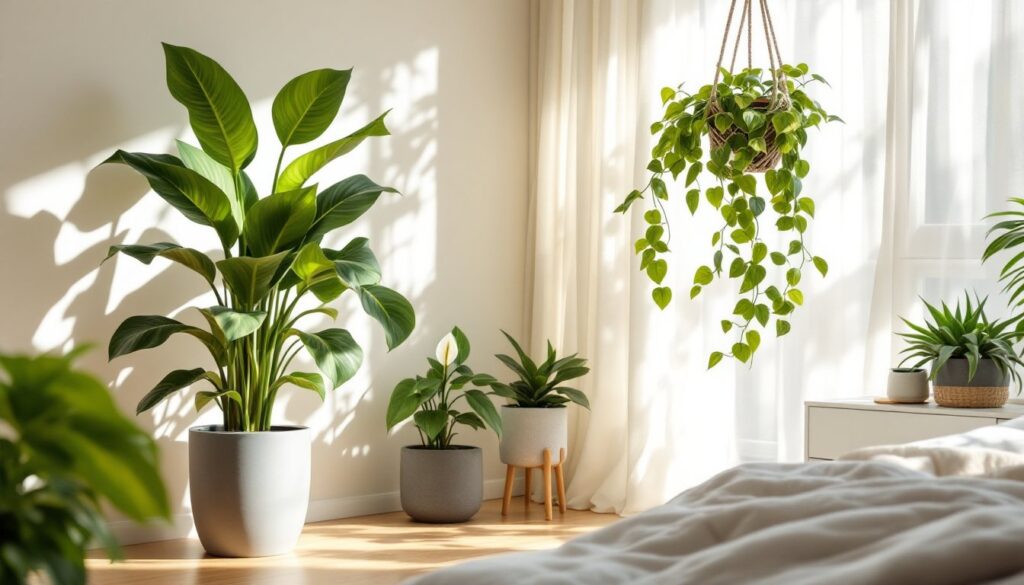
ToggleAdding greenery to a bedroom isn’t just about aesthetics, it’s a practical way to improve air quality, reduce stress, and create a more restful environment. Unlike high-traffic areas, bedrooms offer stable temperatures and lower light levels, which certain plants handle better than others. The right picks can thrive on minimal care while working overtime to filter air and boost humidity. This guide cuts through the houseplant hype to focus on proven performers that actually belong in sleeping spaces, whether someone’s dealing with a sun-drenched master suite or a basement guest room with one small window.
Why You Should Add Plants to Your Bedroom
Plants offer measurable benefits in sleeping quarters beyond just looking good on a nightstand. Through photosynthesis and transpiration, they release moisture into dry indoor air, a real advantage during winter months when forced-air heating drops humidity below comfortable levels. Most bedroom-friendly species also continue gas exchange at night, absorbing carbon dioxide and releasing oxygen even in darkness, unlike some tropicals that reverse the process after sunset.
Air purification is the most documented benefit. NASA’s Clean Air Study identified several common houseplants that remove volatile organic compounds (VOCs) like formaldehyde, benzene, and trichloroethylene from enclosed spaces. While you’d need a small jungle to match a mechanical air purifier’s output, even a few well-chosen specimens make a dent in off-gassing from furniture, carpets, and bedding.
The psychological impact shouldn’t be dismissed either. Studies consistently show that indoor greenery reduces cortisol levels and improves mood, useful when a bedroom doubles as a home office or recovery space. For DIYers comfortable with basic watering schedules, low-maintenance varieties deliver these perks without demanding daily attention or specialized equipment.
Top Air-Purifying Plants for Better Sleep
When prioritizing clean air and overnight oxygen production, two plants consistently outperform the field in independent testing and real-world bedroom use.
Snake Plant
Snake plant (Sansevieria trifasciata, also sold as Dracaena trifasciata) tops nearly every bedroom plant list for good reason. Its stiff, upright leaves perform Crassulacean Acid Metabolism (CAM) photosynthesis, meaning it opens stomata at night to absorb CO₂ and release oxygen, the opposite of most houseplants. This makes it one of the few species that actively improves nighttime air quality.
Snake plants tolerate neglect better than almost any other indoor green. They handle low to bright indirect light, need watering only when soil dries completely (every 2-4 weeks in most climates), and survive in standard potting mix with no amendments. Nominal pot sizes from 4-inch starter plants to 10-inch floor specimens fit any bedroom layout. The variety ‘Laurentii’ features yellow leaf margins, while ‘Moonshine’ offers pale silvery-green foliage that suits minimalist decor.
One caution: snake plants are toxic to pets if ingested, causing nausea and vomiting. Keep them on high dressers or shelves if cats or dogs have bedroom access. For homeowners committed to air-purifying indoor greenery, this species is the benchmark.
Peace Lily
Peace lily (Spathiphyllum) was among NASA’s top performers for removing formaldehyde, benzene, and ammonia. Its glossy dark leaves and occasional white spathes (the modified leaf that surrounds the actual flower spike) add visual interest without requiring bright windows. Peace lilies prefer low to medium indirect light, making them ideal for bedrooms with north-facing exposures or heavy curtains.
Watering is straightforward: the plant visibly wilts when thirsty, then perks up within hours of a thorough soak. This built-in indicator prevents both overwatering and drought stress. Use room-temperature filtered or distilled water if municipal supply is heavily chlorinated: peace lilies show brown leaf tips when salts accumulate. A monthly dose of balanced liquid fertilizer (10-10-10 NPK) during spring and summer supports steady growth.
Like snake plants, peace lilies are toxic to pets and children if chewed. Position them out of reach or choose a different species if safety is a primary concern. They also appreciate higher humidity, a bathroom with a window makes an even better home than a bedroom, though they’ll adapt to typical sleeping-quarter conditions.
Low-Light Champions Perfect for Bedroom Corners
Not every bedroom gets flooded with sunlight, and that’s where shade-tolerant species shine. Pothos (Epipremnum aureum) survives in spaces that would kill sun-loving succulents. Its trailing vines work well in hanging planters or on top of tall furniture, cascading down for a softening effect. Pothos grows in water alone or standard potting soil, needs watering when the top inch of soil dries, and tolerates missed waterings without drama. The ‘Golden’ variety shows yellow variegation, while ‘Marble Queen’ leans heavily white, both handle low light better than solid-green cultivars but grow more slowly without brighter exposure.
ZZ plant (Zamioculcas zamiifolia) is nearly indestructible. Its thick, waxy leaflets store water in underground rhizomes, allowing it to survive weeks of neglect. ZZ plants prefer low to medium indirect light and require watering only when soil is completely dry several inches down, overwatering causes rhizome rot faster than any other issue. They’re slow growers, adding just a few new stems per year, but that also means less frequent repotting. A 6-inch or 8-inch pot fits most bedroom corners without crowding.
Cast iron plant (Aspidistra elatior) earned its common name by tolerating conditions that flatten other houseplants: deep shade, temperature swings, irregular watering, and low humidity. Its broad, arching leaves grow directly from the soil line with no central stem. Cast iron plants are especially useful in basements converted to bedrooms or older homes with small windows. They grow slowly and rarely need repotting, making them a set-it-and-forget-it choice for busy homeowners managing multiple indoor plants.
Easy-Care Plants for Beginners and Busy Homeowners
First-time plant parents often kill greenery with kindness, overwatering, over-fertilizing, or obsessively adjusting placement. The following species forgive rookie mistakes and thrive on benign neglect.
Spider plant (Chlorophytum comosum) produces arching leaves striped in green and white or cream. It sends out long stems called stolons that dangle baby plantlets (spiderettes), which can be snipped off and rooted in water or soil for free propagation. Spider plants handle a wide range of light conditions, from bright indirect to partial shade, and bounce back quickly from underwatering. They prefer evenly moist soil during active growth but tolerate drying out between waterings. Brown leaf tips usually signal fluoride or chlorine in tap water: switching to filtered water solves the issue.
Rubber plant (Ficus elastica) offers bold, glossy foliage in shades from deep burgundy (‘Burgundy’ cultivar) to variegated cream and green (‘Tineke’). Young plants fit on dressers, but mature specimens can reach 6-10 feet indoors if not pruned. Rubber plants prefer bright indirect light but adapt to medium light with slower growth. Water when the top 2 inches of soil dry out, and wipe dust off leaves monthly with a damp cloth to maintain their signature shine and photosynthetic efficiency.
Aloe vera serves double duty as both decor and first-aid kit. Its gel-filled leaves soothe minor burns and skin irritation. Aloe needs a well-draining cactus mix (or standard potting soil amended with perlite or coarse sand in a 1:1 ratio) and should dry completely between waterings, once every 2-3 weeks in most conditions. It prefers bright indirect light but tolerates lower levels with reduced growth. Aloe pups (offsets) appear around the base and can be separated during repotting. According to research on bedroom-friendly plants, aloe also releases oxygen at night, making it a functional addition to sleeping spaces.
How to Care for Your Bedroom Plants
Success with bedroom plants comes down to matching species requirements to actual conditions, not wishful thinking about how much light a room gets.
Assess light levels accurately. “Bright indirect” means a plant sits near an east- or west-facing window but not in the direct beam. “Low light” describes a north-facing window or a spot several feet back from a south-facing one. Use a light meter app or inexpensive foot-candle meter if unsure, many plants marketed as “low light” still need at least 50-100 foot-candles to survive long-term. If a bedroom genuinely lacks natural light, consider a clip-on LED grow light on a timer (12-14 hours daily): models with adjustable arms and full-spectrum bulbs start around $25 and prevent the leggy, pale growth that results from insufficient lumens.
Water based on soil moisture, not a calendar. Stick a finger 2 inches into the soil: if it feels damp, wait. If dry, water thoroughly until it drains from the pot’s bottom holes (all bedroom plants need drainage holes, sitting in standing water causes root rot faster than any other mistake). Discard drained water from saucers after 30 minutes. In winter, most houseplants need half the water they require in summer due to slower growth and lower light.
Maintain moderate humidity. Most tropical houseplants prefer 40-60% relative humidity, while typical bedroom levels hover around 30-40% in winter. Grouping plants creates a microclimate through collective transpiration. A small cool-mist humidifier (1-gallon capacity) runs quietly overnight and benefits both plants and respiratory comfort: alternatively, set pots on trays filled with pebbles and water, ensuring the pot base sits above the waterline.
Fertilize conservatively. Overfed plants show burned leaf edges and weak, floppy growth. Use a balanced liquid fertilizer diluted to half the label strength once monthly during spring and summer. Skip fertilizer entirely from fall through late winter when most houseplants enter dormancy. Slow-release granules work but make it harder to adjust feeding if problems arise.
Repot only when necessary. Most species need fresh soil and a larger pot every 18-24 months. Signs include roots circling the drainage holes, water running straight through without absorbing, or top-heavy plants tipping over. Move up just one pot size (from 6-inch to 8-inch, for example). Overpotting into too-large containers holds excess moisture that suffocates roots. Spring is the ideal repotting window when plants enter active growth.
Watch for pests. Spider mites, mealybugs, and fungus gnats are the most common indoor invaders. Inspect leaf undersides and soil surfaces weekly. Isolate affected plants immediately, then treat with insecticidal soap or neem oil spray, covering all leaf surfaces and repeating every 5-7 days until clear. Fungus gnats indicate overwatering: let soil dry more thoroughly between waterings and top-dress with ¼ inch of horticultural sand to interrupt their life cycle.
Rotate plants monthly. Growth naturally leans toward light sources. A quarter-turn every few weeks promotes even foliage and prevents lopsided development. This is especially important for floor plants in corners where only one side gets decent exposure.
For homeowners managing a mix of species across the house, easy-care houseplants reduce maintenance time while still delivering the air-quality and aesthetic benefits that make greenery worth the effort. With proper placement and a consistent (but not obsessive) care routine, bedroom plants thrive for years with minimal intervention.