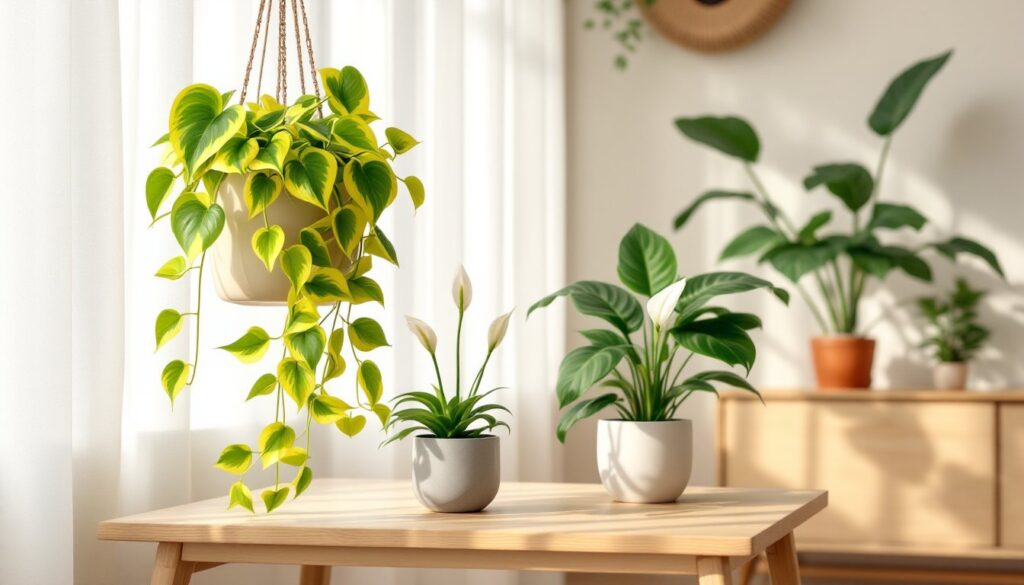

Table of Contents
ToggleHanding someone a houseplant isn’t just wrapping up foliage, it’s giving them something that grows, breathes, and transforms a space over time. Unlike cut flowers that wilt in a week or candles that burn out, a well-chosen indoor plant sticks around, reminding the recipient of your thoughtfulness every time they water it. Whether the person has a black thumb or runs a veritable indoor jungle, there’s a plant that fits. The trick is matching the right species to the recipient’s lifestyle, light conditions, and confidence level. This guide breaks down the best indoor plants to give as gifts, from foolproof varieties for beginners to showstoppers for seasoned collectors.
Key Takeaways
- Indoor plants make lasting gifts that improve air quality, fit any aesthetic, and create ongoing rituals of care—unlike consumable gifts that fade quickly.
- For beginners, snake plants and pothos are nearly indestructible options that tolerate neglect, low light, and inconsistent watering while building confidence in new plant parents.
- Statement plants like monstera, fiddle-leaf fig, and alocasia reward experienced collectors with dramatic foliage and growth, but require specific light, humidity, and stability conditions.
- Air-purifying plants such as peace lilies, spider plants, and rubber plants combine health benefits with manageable care, making them thoughtful gifts for home offices and recovery spaces.
- Flowering houseplants like African violets, orchids, and anthuriums deliver immediate visual impact while offering longevity—choose buds over blooms when gifting to extend the recipient’s enjoyment.
- The right indoor plant gift matches the recipient’s lifestyle and confidence level, with options ranging from budget-friendly 4-inch pothos under ten dollars to mature statement plants in premium planters.
Why Indoor Plants Make Perfect Gifts
Indoor plants check boxes that traditional gifts can’t. They’re personal without being presumptuous, decorative without clutter, and functional in ways most people don’t expect.
First, they improve indoor air quality. NASA’s Clean Air Study identified several common houseplants that filter toxins like formaldehyde and benzene from the air. Even small specimens contribute to better indoor environments, making them a health-conscious choice for anyone spending long hours indoors.
Second, plants adapt to almost any aesthetic. A sleek ceramic pot with a minimalist succulent fits a modern apartment, while a woven basket planter housing a trailing philodendron suits a cottage-style home. The container becomes part of the gift, allowing the giver to tailor presentation to the recipient’s taste.
Third, they’re living reminders. Unlike consumable gifts, plants create an ongoing relationship. Each time the recipient waters or prunes, they’re engaging in a small ritual of care. That continuity makes plants especially meaningful for milestones, housewarming, promotion, new baby, or recovery from illness.
Finally, plant gifting accommodates all budgets. A 4-inch pothos costs under ten dollars at most nurseries, while a mature fiddle-leaf fig in a statement planter can run several hundred. Both deliver the same core message: growth, life, and attention.
Low-Maintenance Plants for Beginner Plant Parents
Gifting a plant to someone who’s never kept one alive requires choosing species that tolerate inconsistent watering, low light, and general neglect. These varieties forgive mistakes and build confidence.
Snake Plant: The Indestructible Gift
Snake plants (Sansevieria trifasciata) are the cockroaches of the houseplant world, they survive conditions that would kill most other species. Their thick, upright leaves store water for weeks, making them ideal for forgetful waterers. They tolerate low light, though they’ll grow faster near a window.
These plants grow slowly, so they won’t outgrow their pot quickly. A 6-inch snake plant fits a desk or nightstand and requires watering only when the soil dries completely, usually every two to three weeks in most indoor environments. Overwatering is the only real threat: root rot sets in fast if the pot lacks drainage.
Snake plants also propagate easily. When the recipient is ready, they can divide the rhizomes or root leaf cuttings in water, turning one gift into several. For gifting, choose varieties like ‘Black Gold’ with yellow-edged leaves or ‘Moonshine’ with pale silvery-green foliage for visual interest.
Pothos: A Trailing Beauty That Thrives on Neglect
Pothos (Epipremnum aureum) wins the popularity contest among beginner-friendly plants for good reason. Its trailing vines grow fast, sometimes 12 to 18 inches per month in decent light, creating lush cascades from shelves or hanging baskets.
Pothos tolerates a wide range of light conditions, from bright indirect to dim corners, though variegated varieties (like ‘Marble Queen’ or ‘N’Joy’) need more light to maintain their patterns. Water when the top inch of soil dries, typically once a week. Yellowing leaves signal overwatering: brown crispy edges mean underwatering or low humidity.
One practical advantage: pothos roots easily in water. A recipient can snip a few stems, stick them in a jar, and watch roots develop in weeks, perfect for sharing with friends or expanding their collection. The plant also signals its needs clearly: droopy leaves perk up within hours of watering, giving beginners instant feedback.
For gifting, a 6 to 8-inch hanging basket looks substantial but remains manageable. Pair it with a simple macramé hanger or a decorative hook to make it shelf-ready.
Statement Plants for the Experienced Enthusiast
Plant collectors appreciate species that challenge their skills or make bold visual statements. These aren’t beginner plants, they require specific care, but they reward attention with dramatic foliage or unusual growth habits.
Monstera deliciosa (Swiss cheese plant) delivers instant jungle vibes. Its large, fenestrated leaves, some reaching 2 feet across on mature plants, dominate a room. Monsteras need bright indirect light and consistent moisture during the growing season. They climb naturally, so adding a moss pole or trellis helps support aerial roots and encourages larger leaf development.
These plants grow fast in ideal conditions, making them satisfying for experienced growers who enjoy training and shaping. A 10-inch monstera makes a striking gift, though shipping and transport require care to avoid leaf damage.
Fiddle-leaf figs (Ficus lyrata) have become Instagram darlings, but they’re finicky about environment changes. They drop leaves in response to drafts, inconsistent watering, or light shifts. For someone who’s proven they can handle temperamental plants, a fiddle-leaf in a 10 to 14-inch nursery pot makes a thoughtful gift. Pair it with advice: place it in bright indirect light, water when the top 2 inches of soil dry, and don’t move it once it’s happy.
Alocasia varieties (elephant ears) offer dramatic foliage in colors ranging from deep purple-black (‘Black Velvet’) to metallic silver (‘Silver Dragon’). They require high humidity and warmth, making them suitable only for recipients with experience maintaining tropical conditions. Many alocasias go dormant in winter, which can alarm new owners, mention this when gifting.
For statement plants, presentation matters. A ceramic or concrete planter elevates the gift, but ensure it has drainage holes or include a plastic nursery pot insert to prevent waterlogging.
Air-Purifying Plants That Promote Wellness
Some recipients value plants primarily for health benefits. These species excel at filtering indoor air and creating a sense of calm, making them thoughtful gifts for home offices, bedrooms, or recovery spaces.
Peace lilies (Spathiphyllum) combine air-purifying ability with elegant white blooms. They filter ammonia, benzene, formaldehyde, and trichloroethylene from indoor air. Peace lilies tolerate low light better than most flowering plants and signal water needs by drooping dramatically, then perking up within hours of watering.
One caution: peace lilies are toxic to cats and dogs if ingested. For pet owners, skip this option or confirm the plant will stay out of reach.
Spider plants (Chlorophytum comosum) are nearly unkillable and produce offshoots (pups) that dangle from the mother plant like botanical ornaments. They filter carbon monoxide and xylene, making them popular for kitchens and garages. Spider plants tolerate a range of light and watering schedules, though they prefer bright indirect light and evenly moist soil.
Gift a spider plant in a hanging basket to showcase its cascading pups, or choose a tabletop pot and include instructions for propagating the offshoots, it’s a fun project for new plant parents.
Rubber plants (Ficus elastica) feature broad, glossy leaves that absorb airborne toxins and add bold color (varieties range from deep burgundy to variegated cream and green). They prefer bright indirect light and infrequent, deep watering. Wipe leaves monthly with a damp cloth to maximize their air-purifying surface area and keep them looking polished.
For wellness-focused plant collections, choose 6 to 10-inch pots that fit desks or nightstands without overwhelming the space.
Flowering Plants for Color and Charm
Flowering houseplants bridge the gap between traditional bouquets and long-term greenery. They deliver immediate visual impact while offering the longevity of a potted plant.
African violets (Saintpaulia) bloom continuously under the right conditions, bright indirect light, consistent moisture, and moderate humidity. Their compact size (4 to 6 inches across) fits small spaces, and their fuzzy leaves and cheerful purple, pink, or white flowers add charm without fussiness. Water from the bottom to avoid spotting the leaves, and fertilize monthly with a formula designed for African violets.
They’re ideal for recipients who enjoy tending plants regularly, as they respond well to consistent care routines.
Orchids (Phalaenopsis) intimidate many people, but the common moth orchid is more forgiving than its reputation suggests. With proper light (bright indirect, like an east-facing window) and weekly watering (soak the roots, then drain thoroughly), orchids rebloom reliably. Blooms last two to three months, providing extended color.
Purchase orchids in bud rather than full bloom when gifting, the recipient gets to enjoy the full flowering period. Include care instructions and mention that the plant may rest for several months between bloom cycles: this isn’t failure, it’s normal.
Anthuriums produce waxy, heart-shaped spathes (modified leaves, not true flowers) in red, pink, white, or coral. They bloom year-round in good conditions and tolerate moderate light. Anthuriums appreciate humidity but adapt to average indoor levels. Their blooms last six to eight weeks per spathe, and mature plants produce multiple blooms simultaneously.
Many gardening resources, like trusted houseplant guides, recommend anthuriums for their combination of color, longevity, and manageable care requirements.
When gifting flowering plants, choose decorative ceramic or glazed pots that complement the bloom color. A 4 to 6-inch orchid in a simple white pot looks elegant, while a 6-inch anthurium in a colorful planter adds personality. Pair flowering plants with a small moisture meter or spray bottle to help recipients maintain proper watering and humidity.
For recipients interested in expanding their collection beyond the basics, consider pointing them toward resources on diverse houseplant varieties or popular species that complement flowering plants with foliage interest.