
Table of Contents
ToggleA crackling fire under the stars can turn an ordinary backyard into a year-round gathering spot. Whether you’re roasting marshmallows with the kids or hosting friends on a cool evening, a well-planned fire pit adds both function and ambiance to outdoor spaces. From stone circles to modern steel bowls, the right design depends on your yard’s layout, budget, and how much sweat equity you’re willing to invest. This guide covers proven fire pit designs, from classic stacked stone to budget-friendly DIY builds, along with layout tips that make the space work for real-life use.
Key Takeaways
- Outdoor fire pit ideas range from rustic fieldstone designs to modern minimalist steel bowls, allowing homeowners to choose based on yard layout, budget, and personal style.
- A well-designed fire pit increases property value, extends your backyard’s usable season by months, and creates a natural focal point for outdoor entertaining spaces.
- Budget-friendly DIY fire pit projects like in-ground pits, cinder block rings, and repurposed washing machine drums can be built for under $50 with basic materials.
- Fire pits must be positioned at least 10 feet from structures and property lines; most jurisdictions require permits, and gas or wood-burning models may face local code restrictions.
- Optimal fire pit seating layouts use circular arrangements within 6–8 feet of the fire, include non-flammable patio pavers extending 3 feet beyond the rim, and consider wind direction to keep smoke away from guests.
- Safety essentials include using firebrick for inner rings, keeping fire-resistant plantings 3 feet away, maintaining 12 feet overhead clearance from structures, and having a fire extinguisher nearby when burning.
Why Add a Fire Pit to Your Outdoor Space?
A fire pit extends the usable season of a backyard by months. In spring and fall, it takes the chill off evening temps, letting homeowners and guests stay comfortable outdoors without cranking up patio heaters that guzzle propane. Fire pits also create a natural focal point that anchors seating layouts and landscape designs.
Beyond ambiance, fire pits can increase property value when done right. Real estate agents often cite outdoor living features, like fire pits, built-in grills, or integrated patio zones, as selling points that appeal to buyers looking for move-in-ready entertaining spaces.
Safety and code compliance matter. Most jurisdictions require fire pits to sit at least 10 feet from structures, overhangs, and property lines. Wood-burning pits may require permits or be prohibited in some municipalities due to air quality regulations. Gas-fed models typically need a licensed plumber or gas fitter for installation, especially if running a hard line from the home’s gas supply. Always check local building codes and homeowner association rules before breaking ground.
Stone and Rock Fire Pit Designs
Natural Fieldstone Fire Pits
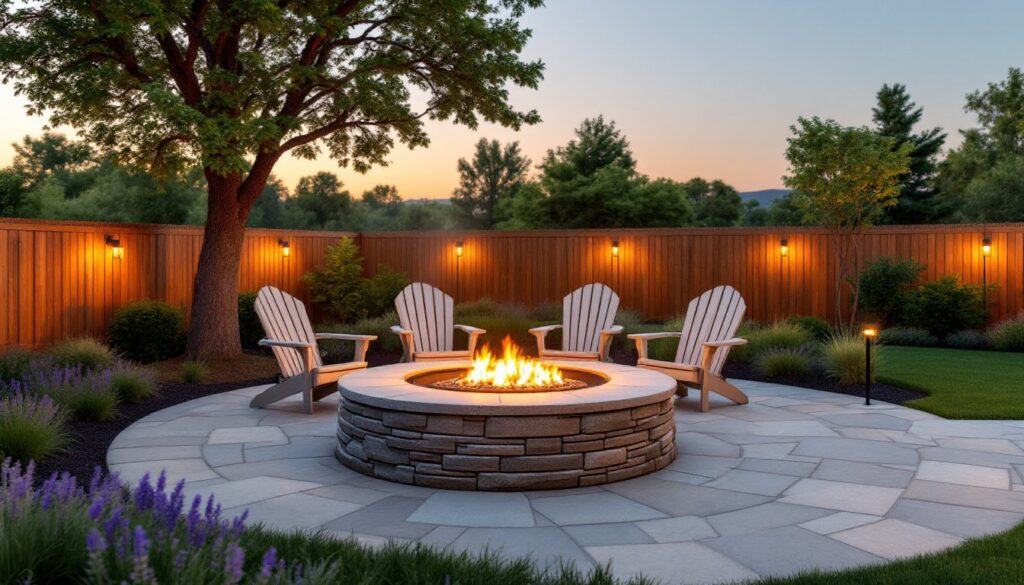
Fieldstone fire pits have an organic, rustic look that suits wooded or naturalistic yards. Builders stack irregular stones, often sourced locally, without mortar for a dry-stack design, or with high-temp mortar for added stability. The irregular shapes and earth tones blend into broader landscaping schemes without looking too formal.
Materials: Use firebrick or refractory brick for the inner ring, rated to withstand direct flame and thermal cycling. Outer decorative fieldstone can be granite, limestone, or sandstone, but avoid river rock or porous stones that can trap moisture and explode when heated.
Construction notes: For a dry-stack pit, dig a 4-inch gravel base to level the site and improve drainage. Start with larger, flat stones at the bottom and taper upward, keeping the interior diameter around 36–48 inches for a usable fire zone. If mortaring, use Type S mortar mixed with refractory cement for the firebrick ring, then stack fieldstone around the exterior. Leave a gap between the outer decorative stone and the inner firebrick to prevent heat transfer cracking.
Stacked Stone and Brick Options
Prefabricated concrete retaining wall blocks (like those used for garden walls) make fast, tidy fire pit rings. Many manufacturers offer curved blocks designed specifically for round pits, eliminating the need to cut or shape. These kits typically include a steel fire ring insert that protects the block from direct heat.
Brick fire pits deliver a classic, symmetrical look. Use firebrick for any surface exposed to flame, and standard clay brick or concrete pavers for the outer shell. A common design stacks three to four courses of firebrick in a circle, then surrounds it with a decorative brick veneer.
Pro tip: Cap the top course with capstone or flagstone for a finished edge and a place to set drinks or firewood. Adhesive options include construction adhesive rated for outdoor use or high-temp mortar. For stability, secure the first course to the gravel base with landscape block adhesive.
Modern and Minimalist Fire Pit Ideas
Sleek, geometric fire pits fit well in contemporary yards with clean lines and neutral palettes. Materials like poured concrete, steel, and Corten steel (which develops a rust patina over time) dominate modern designs.
Concrete fire pits can be DIY-friendly using pre-mixed high-strength concrete or fiber-reinforced mixes. Build a plywood and melamine form to cast a simple square or rectangular pit, embedding a steel fire ring or gas burner. Stain or dye the concrete for color variation, or leave it raw for an industrial look. Expect about 80 pounds of concrete per cubic foot: a 36-inch-diameter, 12-inch-tall ring requires roughly four 80-lb bags.
Steel bowl fire pits offer portability and plug-and-play convenience. Factory-made models range from lightweight stamped steel (which rusts quickly outdoors) to heavy-gauge weathering steel that holds up for years. For a DIY version, repurpose a steel planter or tractor wheel rim, drill drainage holes in the bottom and elevate it on firebrick or steel legs to prevent scorching the patio.
Gas fire pits with concealed burners and decorative fire glass deliver a minimalist aesthetic without smoke or ash cleanup. Propane models use a standard 20-lb tank: natural gas versions need a licensed installer to run the supply line and size the burner correctly (typically 40,000–60,000 BTU for a 36-inch bowl). Most jurisdictions require a permit for permanent gas installations.
Budget-Friendly DIY Fire Pit Projects
Simple in-ground fire pits cost next to nothing and work well for occasional use. Dig a bowl-shaped pit about 12 inches deep and 36–48 inches wide, sloping the sides gently inward. Line the bottom with 4 inches of pea gravel for drainage, then ring the perimeter with firebrick or flat stones. This design won’t win design awards, but it’s functional, requires no mortar, and can be built in an afternoon.
Cinder block fire pits are another low-cost option. Standard 8×8×16-inch concrete blocks stack quickly without mortar. Lay a ring of blocks on a gravel base, stagger the joints on the second course, and cap with a third layer. Leave gaps between blocks for airflow, critical for wood-burning fires. Total material cost typically runs under $50 for a basic 36-inch pit.
Repurposed metal rings from old washing machine drums make surprisingly effective fire pits. The perforated stainless steel or galvanized drum allows excellent airflow and won’t rust through as fast as plain steel. Set the drum on firebrick or a gravel pad, and surround it with stacked stone or pavers for a finished look. Salvage yards and appliance recyclers often give away old drums for free.
Safety gear: Regardless of the build, wear leather gloves when handling rough stone or metal, safety glasses when cutting brick or block, and a dust mask if using a masonry saw. Keep a fire extinguisher or garden hose within reach whenever burning wood or testing a new pit.
Fire Pit Seating and Layout Inspiration
A fire pit is only as good as the seating around it. Aim for a circular or semi-circular layout that puts everyone within 6–8 feet of the fire for warmth and conversation without crowding. Built-in stone benches or low retaining wall caps double as seating and visual anchors, eliminating the need to shuffle chairs around.
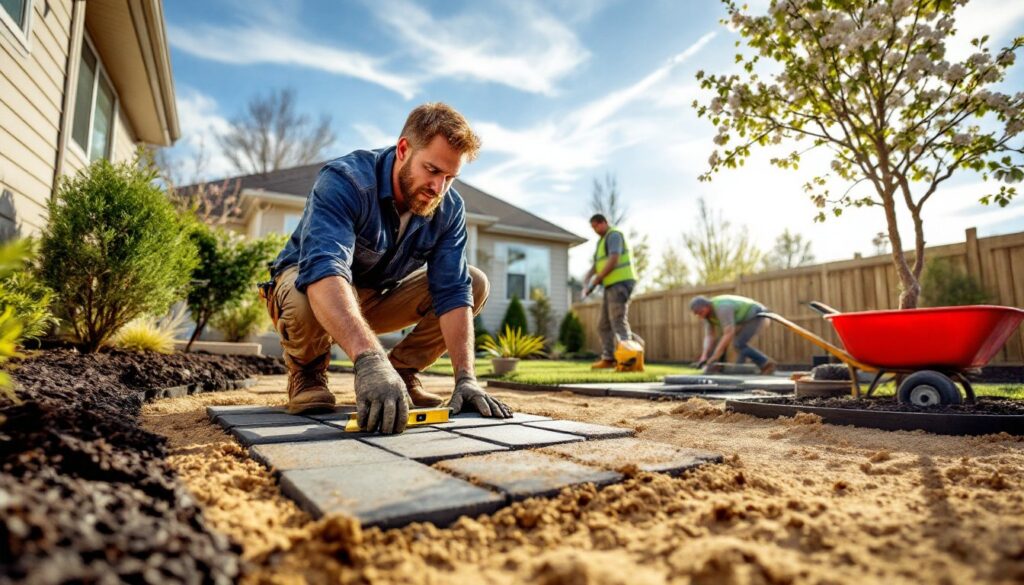
Patio pavers or flagstone make a stable, non-flammable base that prevents grass kill and mud. Extend the hardscape at least 3 feet beyond the fire pit rim to create a defined zone and catch stray embers. Use polymeric sand to lock pavers in place and prevent weed growth between joints.
For a more flexible setup, arrange movable Adirondack chairs or metal outdoor chairs around the pit. Leave at least 24 inches between chair backs for easy passage and to avoid bottlenecking traffic. Consider prevailing wind direction, position seating so smoke blows away from the main gathering area.
Lighting and landscaping enhance usability after dark. Low-voltage path lights or solar stake lights along walkways prevent trips, while uplighting on nearby trees or landscape focal points adds depth without glare. Plant fire-resistant perennials like lavender, sedum, or ornamental grasses around the perimeter, keeping combustible mulch and plantings at least 3 feet from the fire zone.
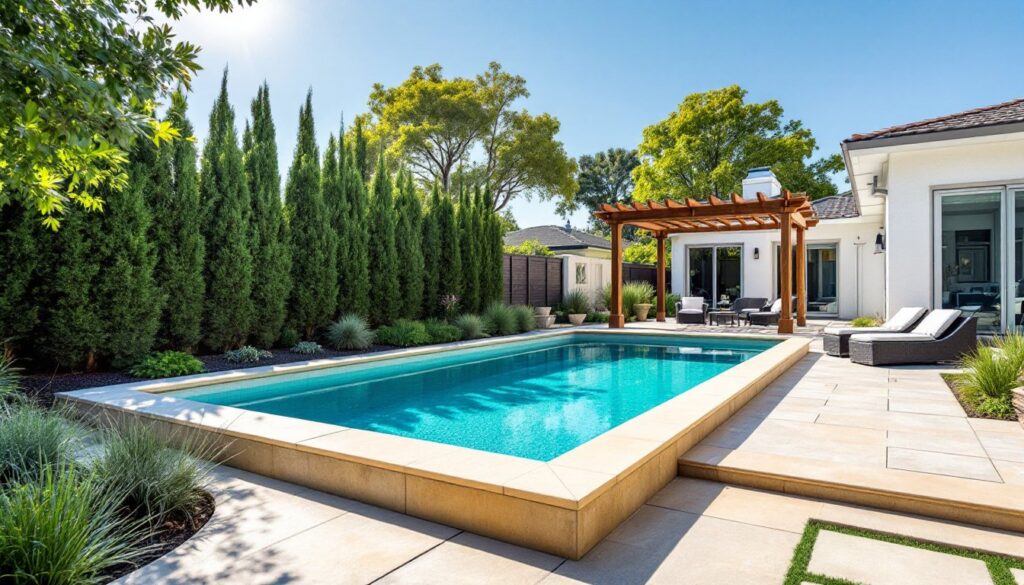
Overhead clearance: Avoid placing fire pits under pergolas, tree canopies, or roof overhangs unless the structure is at least 12 feet overhead and built with non-combustible materials. Even then, check local codes, many jurisdictions prohibit open flames under any permanent structure.
Final layout tip: Southern Living and similar design sources often showcase fire pits paired with outdoor kitchens or bar areas. If space and budget allow, integrate a beverage cooler, firewood storage, or built-in benches with hinged lids for cushion storage. These touches make the fire pit zone feel like an outdoor room rather than an afterthought.