
Table of Contents
ToggleCreating a private front yard doesn’t mean building fortress walls or sacrificing curb appeal. Strategic landscaping offers homeowners a way to reduce street noise, block unwanted sightlines, and carve out a quiet buffer zone between their home and the outside world. Unlike fencing, which can feel abrupt or require permits in some jurisdictions, living screens blend privacy with aesthetics. The right combination of evergreens, fast-growing hedges, and hardscaping elements can deliver results within a single growing season while adding long-term property value.
Key Takeaways
- Front yard privacy landscaping using evergreens and hedges reduces street noise by 5–10 decibels while increasing property value without requiring extensive permits like traditional fencing.
- Evergreens like Arborvitae and Skip Laurel provide year-round privacy coverage, while fast-growing deciduous options like bamboo and privet deliver quick screening results within a single growing season.
- Effective privacy design uses staggered double-row planting with taller shrubs in back and shorter plants in front, combined with intentional openings near entries to avoid a fortress-like appearance.
- Local building codes typically restrict hedge height to 30 inches within 10 feet of intersections and require 3–5 foot setbacks from property lines—violating these rules can result in mandatory removal at homeowner expense.
- Combining hardscaping elements like retaining walls, fences, pergolas, and water features with living screens creates immediate impact while plants mature and enhances both privacy and curb appeal.
Why Front Yard Privacy Matters for Homeowners
Front yards sit at the intersection of personal space and public view. Without adequate screening, morning coffee on the porch becomes a spectator event, and living room windows face constant headlight sweeps from passing traffic.
Privacy landscaping solves multiple problems simultaneously. Dense plantings reduce ambient noise by 5–10 decibels, enough to soften the rumble of delivery trucks and lawn equipment. They also filter airborne dust and pollutants, creating a cleaner microclimate near entry doors and windows.
From a security standpoint, strategic screening prevents casual observation of daily routines while maintaining clear sightlines near doorways and driveways. This balance matters: thorny shrubs near windows deter tampering, but overgrown plantings create hiding spots.
Property value increases with thoughtful privacy design. Homes with mature, well-maintained hedges or tree screens typically appraise higher than identical homes exposed to direct street views. Buyers pay a premium for established landscapes that deliver immediate privacy rather than waiting years for saplings to mature.
Check local ordinances before planting. Many municipalities restrict hedge height within sight triangles at driveways and intersections, typically 30 inches maximum within 10 feet of the intersection. Corner lots face additional restrictions. Violating these codes can result in mandatory removal at the homeowner’s expense.
Best Plants for Creating Natural Privacy Screens
Selecting the right plants depends on climate zone, available space, and how quickly privacy is needed. A mixed approach, combining evergreens for structure with faster-growing deciduous options, provides year-round coverage without waiting a decade.
Evergreen Trees and Shrubs for Year-Round Coverage
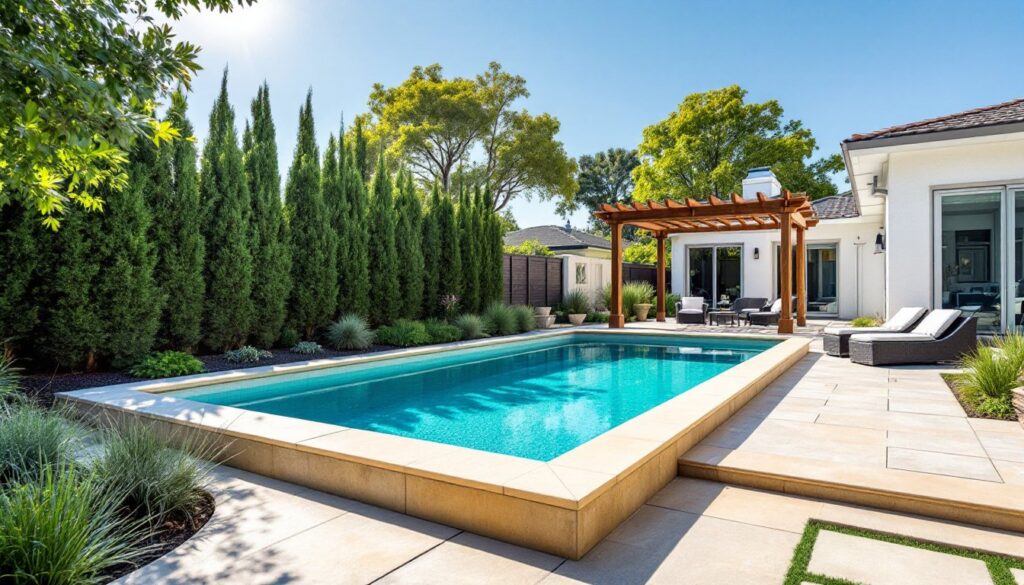
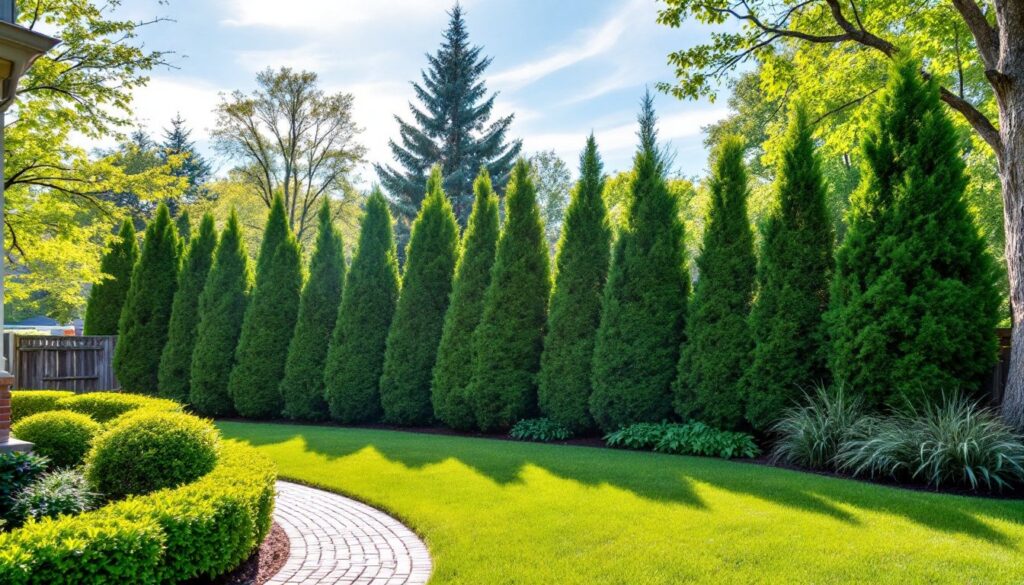
Arborvitae (Thuja species) remains the workhorse of privacy plantings. Varieties like ‘Green Giant’ reach 12–15 feet in five years and eventually top out at 40–60 feet with a 12–20 foot spread. Plant them 5–6 feet apart for a solid hedge or 8–10 feet apart as individual specimens. They tolerate clay soil and moderate drought once established but need well-drained sites, standing water kills them.
Skip Laurel (Prunus laurocerasus ‘Schipkaensis’) works well in Zones 5–9, growing 10 feet tall and 6 feet wide with glossy, dense foliage. It handles part shade better than most evergreens and responds well to pruning if height control is necessary. Space plants 4–5 feet apart for a hedge.
Leyland Cypress grows 3–4 feet per year, making it tempting for impatient homeowners. But, it’s prone to Seiridium canker and bagworms in humid climates. If using Leyland Cypress, inspect regularly and prune out infected branches immediately to prevent dieback.
For smaller spaces, Inkberry Holly (Ilex glabra) stays compact at 6–8 feet and tolerates wet soil. Plant 3–4 feet apart. It’s native to eastern North America and supports local pollinators.
Boxwood varieties like ‘Green Mountain’ reach 5 feet and work as low screens or foundation plantings. They’re slow-growing but nearly indestructible in Zones 5–8. Watch for boxwood blight, water at the base, not overhead, and avoid planting in areas with poor air circulation.
Fast-Growing Options for Quick Results
When privacy can’t wait, deciduous options fill in faster. Homeowners seeking low maintenance plants often combine these with evergreens for layered coverage.
Bamboo (clumping varieties like Fargesia) shoots up 3–5 feet annually and creates dense vertical screens. Clumping types won’t invade neighboring properties like running bamboo. Plant in containers if soil containment is a concern, using 30-gallon fabric pots or larger.
Privet (Ligustrum species) grows aggressively, up to 2 feet per year, and tolerates heavy pruning. It’s semi-evergreen in mild climates but drops leaves in Zone 5 and colder. Space 2–3 feet apart for hedges. Be aware that privet spreads via seed and is considered invasive in some regions: check local status before planting.
Forsythia delivers early-season yellow blooms and reaches 8–10 feet with minimal care. It’s deciduous, so winter privacy drops, but the dense branching structure still provides partial screening. Plant 4–6 feet apart.
Photinia (Photinia × fraseri) produces vibrant red new growth in spring and matures to 10–15 feet. It’s evergreen in Zones 7–9 and grows quickly with regular water. Space 5 feet apart for hedges.
Whatever species you choose, amend soil at planting. Dig holes twice the width of the root ball but no deeper. Mix native soil 50/50 with aged compost. Avoid planting too deep, the root flare should sit at or slightly above grade. Water deeply twice weekly for the first growing season, then transition to weekly for year two.
Strategic Placement and Design Ideas
Privacy plantings fail when they’re arranged as a rigid single-file line. Effective screening uses depth, layering, and intentional gaps to guide sightlines without creating a jail-yard aesthetic.
Start by identifying problem views from inside the house. Stand at key windows and doors, then flag the exact sightlines you want to block. This prevents over-planting and focuses budget on high-impact areas.
Use a staggered double row for maximum density. Plant taller evergreens in the back row and shorter shrubs in front, offsetting them so each plant fills gaps in the other row. This arrangement delivers privacy faster than a single-row hedge and creates visual depth.
Leave intentional openings near entries and focal points. A completely walled yard feels claustrophobic. Frame views to specimen trees, landscaping plants, or attractive streetscapes while blocking less desirable sightlines.
Setback matters. Most jurisdictions require plantings to sit 3–5 feet inside the property line. This prevents root encroachment into sidewalks and gives utility workers access. Confirm setback rules before digging.
For corner lots, create layered screening that maintains visibility at driveways. Use low groundcovers or ornamental grasses within sight triangles, transitioning to taller shrubs beyond the restricted zone. Incorporating ornamental grasses adds texture without blocking sightlines.
Consider sun exposure when selecting locations. South-facing plantings receive full sun and require drought-tolerant species. North-facing beds stay cooler and moister, favoring shade-tolerant options like Skip Laurel or Inkberry.
Plan for mature size. That cute 3-foot arborvitae will eventually span 12 feet. Space accordingly or commit to annual pruning. Overcrowding leads to poor air circulation, disease, and leggy growth.
Add seasonal interest beyond just screening. Mix in flowering shrubs like lilac, viburnum, or crepe myrtles to break up monotonous green walls and support pollinators.
Combining Hardscaping with Living Elements
Plants alone rarely solve every privacy challenge. Combining living screens with hardscape structures creates immediate impact while saplings mature.
Fences and hedges work as partners. A 4-foot fence topped with a 6-foot hedge delivers 10 feet of screening. The fence provides instant privacy at eye level while plants soften the structure and add height. This approach works especially well on slopes where fencing alone requires expensive terracing.
Retaining walls create multi-level planting beds that add privacy through elevation. A 2–3 foot wall brings plants closer to sightlines, reducing the mature height needed for effective screening. Small front yard retaining walls can transform sloped properties into terraced privacy zones.
Use pressure-treated timber, concrete block, or natural stone for retaining walls. Anything over 4 feet typically requires engineering and permits, check local codes. Install proper drainage behind walls using perforated pipe and gravel backfill to prevent hydrostatic pressure and failure.
Pergolas and trellises support climbing vines for vertical privacy. Plant clematis, climbing hydrangea, or evergreen Carolina jessamine (Gelsemium sempervirens) at the base. These structures provide partial shade and define spaces without the visual weight of solid walls.
Gabion walls, wire cages filled with stone, pair well with modern landscapes. They’re DIY-friendly, require no footings for walls under 3 feet, and provide immediate privacy. Plant low shrubs in front to soften the industrial look.
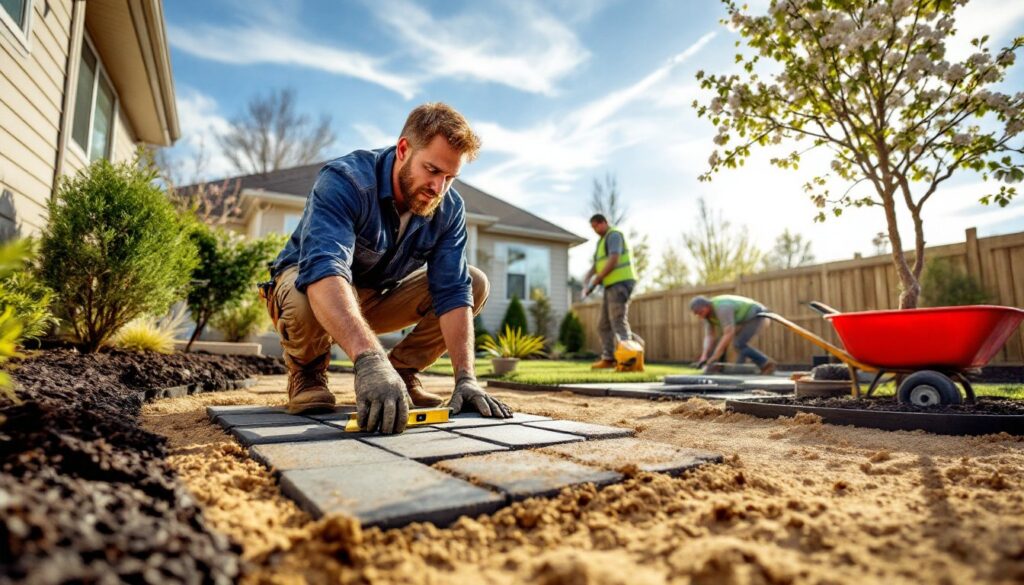
Integrate brick hardscaping for paths and borders that guide foot traffic away from delicate plantings. Brick edge a driveway or walkway, then plant privacy hedges 2–3 feet back to prevent damage from car doors and foot traffic.
Raised planters built from composite decking, cedar, or stucco-clad concrete block create portable privacy that works for renters or homeowners testing layouts. Build them 18–24 inches tall and 24 inches wide minimum for adequate root space. Line with landscape fabric and fill with quality potting mix, not garden soil.
Water features add acoustic privacy by masking street noise. A simple bubbling urn or wall fountain generates white noise that psychologically enhances privacy even when visual screening is partial.
When combining elements, maintain a cohesive material palette. If the house features stone accents, echo that in retaining walls or gabions. Wood fencing pairs with timber-edge beds. This visual harmony makes privacy features feel intentional rather than defensive.
For homeowners pursuing broader sustainability goals, consider how eco-friendly landscaping principles apply, native plants, permeable hardscaping, and rainwater management all contribute to lower-maintenance privacy solutions.
Conclusion
Front yard privacy landscaping delivers tangible benefits, noise reduction, improved air quality, and increased property value, without the permitting headaches of tall fencing. A layered approach combining evergreens for structure, fast-growing options for quick results, and strategic hardscaping creates private outdoor space that still feels welcoming. Start with problem sightlines, respect setback requirements, and plan for mature plant size. The result is a front yard that shields without isolating, screens without hiding, and transforms everyday homeownership into a genuinely private retreat.