
Table of Contents
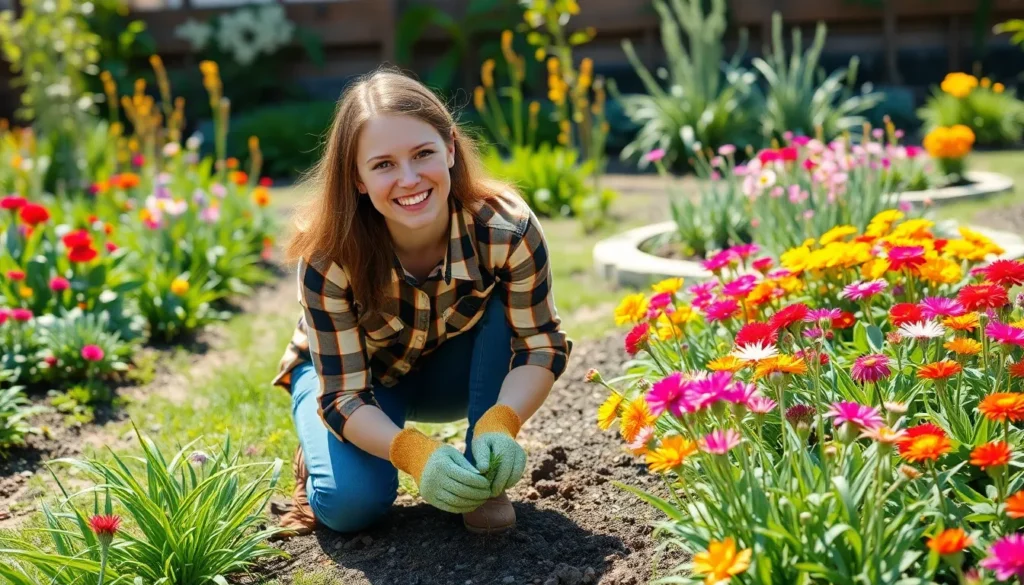
ToggleIn a world where lawns are greener than envy and gardens bloom with the vibrancy of a rainbow, eco-friendly landscaping emerges as the hero we didn’t know we needed. It’s not just about looking good; it’s about saving the planet while getting a workout digging in the dirt. Who knew that planting native plants could be as satisfying as binge-watching your favorite series?
What Is Eco-Friendly Landscaping?
Eco-friendly landscaping focuses on creating sustainable outdoor environments that benefit both aesthetics and the ecosystem. This approach emphasizes the use of native plants, which thrive naturally in the local climate, minimizing the need for chemical fertilizers and pesticides. Utilizing organic materials for soil enhancement supports local wildlife and promotes biodiversity.
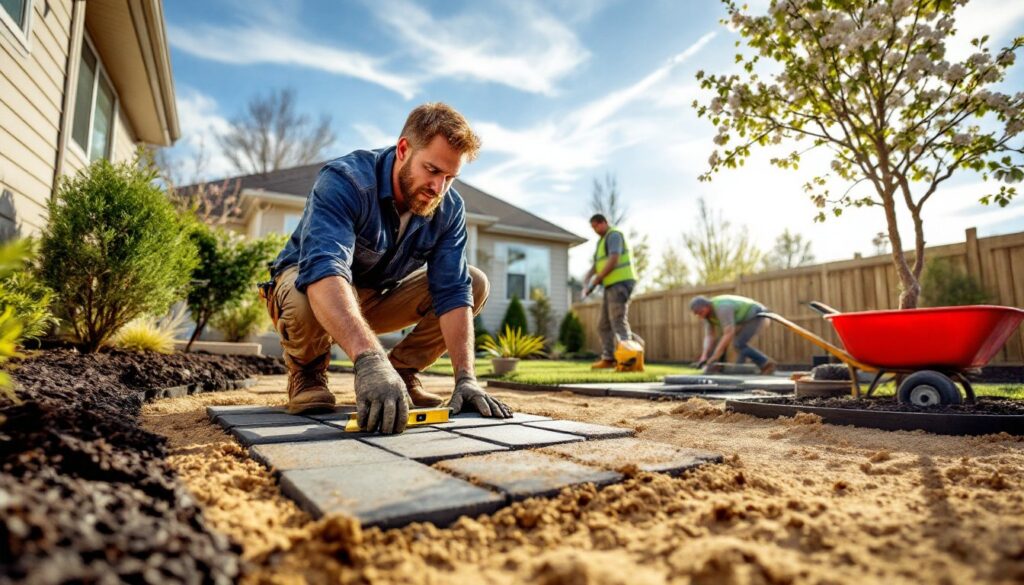
Incorporating rain gardens captures and filters stormwater, preventing erosion and water pollution. Additionally, xeriscaping designs reduce water usage by integrating drought-resistant plants, allowing for attractive landscapes in arid regions. Selecting permeable surfaces for pathways and driveways enhances water infiltration, promoting groundwater recharge.
Employing composting techniques enriches soil with nutrients, fostering healthy plant growth while reducing landfill waste. Practices such as mulching conserve moisture and suppress weeds, further lowering maintenance efforts. Creating habitats, such as birdhouses or bee hotels, encourages beneficial insect populations and enhances ecological balance.
Additionally, eco-friendly landscaping often integrates edible plants, providing fresh produce while reducing reliance on store-bought options. Native landscaping also requires less upkeep, saving time and resources. Thus, the benefits of eco-friendly landscaping resonate widely, supporting the environment while creating vibrant and functional spaces.
Benefits of Eco-Friendly Landscaping
Eco-friendly landscaping provides significant advantages for both the environment and homeowners. Its practices lead to healthier outdoor spaces that are beautiful and environmentally responsible.
Environmental Impact
Enhancing local ecosystems is a primary goal of eco-friendly landscaping. Native plants support local wildlife by offering food and shelter, which boosts biodiversity. Water conservation practices like rain gardens effectively manage stormwater runoff and replenish groundwater. Furthermore, reducing chemical fertilizers and pesticides minimizes pollution and promotes a healthier environment. Studies show that native landscaping can reduce water usage by up to 50%. The integration of composting and mulching enriches soil quality, leading to robust plant growth. Ultimately, eco-friendly landscaping fosters sustainable practices that positively impact the ecosystem.
Cost-Effectiveness
Opting for eco-friendly landscaping can lead to long-term financial savings. Native plants often require less maintenance and lower water needs, which reduces resource costs. This approach decreases reliance on chemical treatments, allowing homeowners to save on recurring expenses. For example, xeriscaping can lower outdoor water bills by as much as 30-50%. Investing in permeable surfaces supports groundwater recharge and helps mitigate expensive flooding issues. In addition, growing edible plants leads to savings on grocery bills while promoting a healthier diet. Overall, eco-friendly landscaping provides economic benefits that align with environmental stewardship.
Key Principles of Eco-Friendly Landscaping
Eco-friendly landscaping focuses on sustainability while enhancing outdoor spaces. Three key principles guide this approach: native plants, water conservation, and soil health.
Native Plants
Utilizing native plants significantly supports local ecosystems. These plants thrive in the local climate, reducing the need for chemical fertilizers and pesticides. Wildlife benefits from the food and habitat provided by native species, which boosts biodiversity. Moreover, planting native varieties can decrease water usage by up to 50%. Homeowners reduce maintenance efforts since native species typically require less care. For example, a garden featuring native flowers can attract pollinators, enhancing both beauty and environmental health.
Water Conservation
Implementing water conservation practices effectively manages resources. Rain gardens serve as natural solutions to absorb and filter stormwater, promoting groundwater recharge. Xeriscaping minimizes water usage by incorporating drought-resistant plants, leading to a decrease in outdoor water bills by 30-50%. Mulching around plants retains soil moisture and suppresses weeds, further conserving water. With thoughtful design, homeowners create landscapes that thrive on minimal irrigation, resulting in both savings and sustainability.
Soil Health
Maintaining soil health is crucial for a thriving garden. Composting enriches soil with nutrients, improving plant growth while reducing waste. Healthy soil retains moisture, supporting plants during dry periods. Techniques like mulching further enhance soil texture and moisture retention. Regularly incorporating organic matter boosts soil structure, fertility, and biodiversity. Soil that promotes healthy plant growth also helps prevent erosion and enhances the resilience of the ecosystem. Investing time in soil health leads to lush landscapes that require less maintenance and contribute to environmental sustainability.
Eco-Friendly Landscaping Techniques
Eco-friendly landscaping techniques enhance sustainability while fostering vibrant outdoor spaces. These methods prioritize native plants and efficient resource management.
Xeriscaping
Xeriscaping emphasizes drought-resistant plants that thrive in local climates. This technique significantly reduces the need for irrigation. Homeowners can lower outdoor water bills by 30-50% with proper design and plant selection. Incorporating native grasses, succulents, and perennials supports local ecosystems while minimizing maintenance efforts. Landscapes designed with xeriscaping adapt effectively to natural rainfall patterns, reducing reliance on supplemental water sources.
Permaculture
Permaculture focuses on creating self-sustaining ecosystems that mimic natural processes. This approach encourages diversity and resilience within the landscape. By using layered planting strategies, homeowners can optimize space and increase yields. Incorporating companion planting helps improve soil health and reduce pests naturally. Effective permaculture practices include rainwater harvesting and composting, which contribute to a sustainable cycle of resources.
Organic Gardening
Organic gardening prioritizes the use of natural methods to grow plants without harmful chemicals. Techniques such as crop rotation and companion planting enhance soil health and discourage pests. Homeowners can enrich their gardens with homemade compost and mulches, providing nutrients without synthetic fertilizers. Choosing native species promotes biodiversity and attracts beneficial insects. Gardening organically supports sustainable practices while producing nutritious, home-grown food.
Embracing eco-friendly landscaping not only transforms outdoor spaces but also fosters a healthier environment. By prioritizing native plants and sustainable practices, homeowners can create beautiful landscapes that thrive with minimal resource input. This approach enhances local ecosystems while providing financial savings through reduced maintenance and water usage.
Incorporating techniques like xeriscaping and permaculture promotes resilience and biodiversity, making outdoor spaces vibrant and functional. Ultimately, eco-friendly landscaping is a rewarding investment that supports both personal enjoyment and environmental stewardship, paving the way for a greener future.