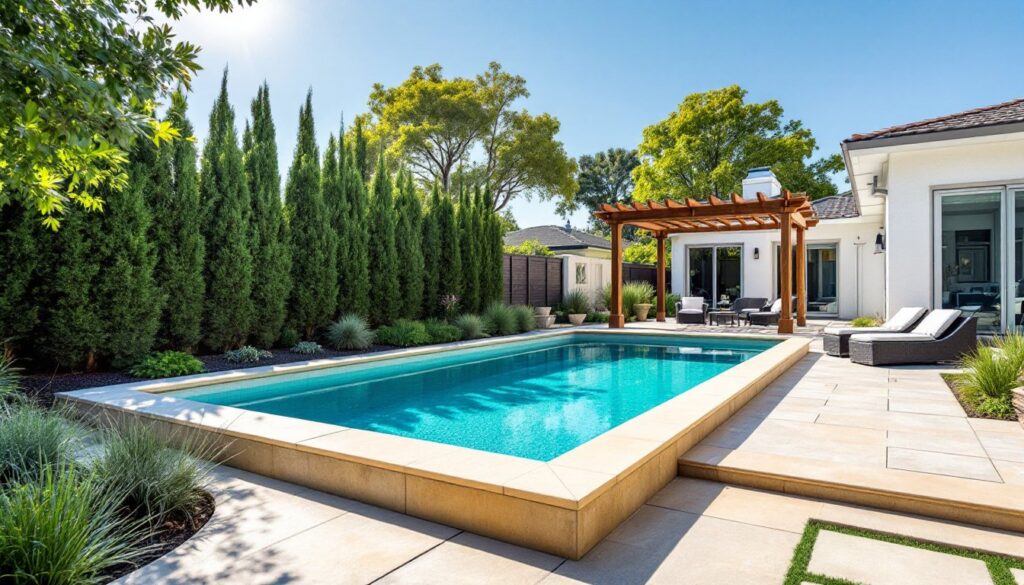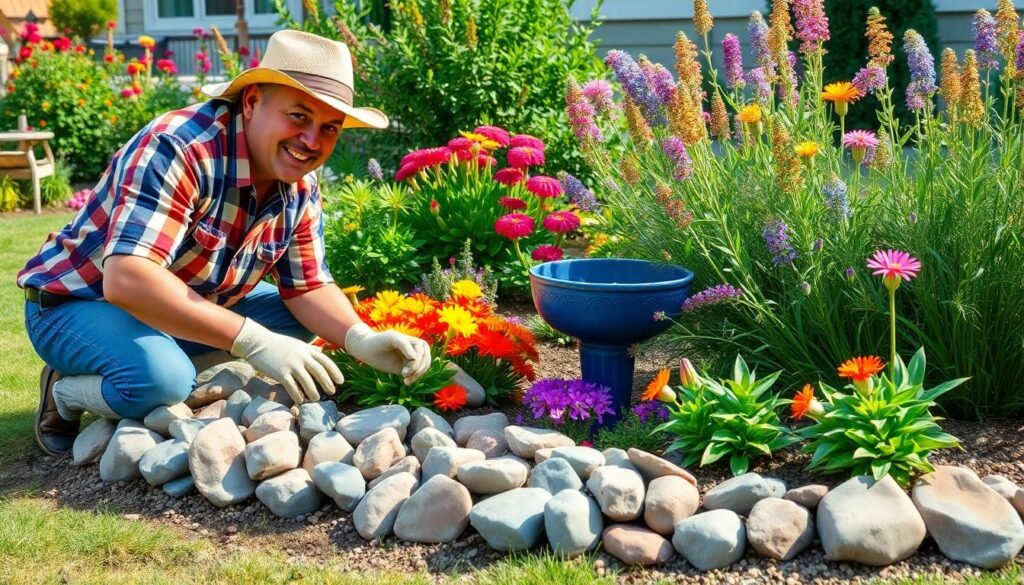

Transforming a yard into a stunning oasis doesn’t have to mean endless hours of backbreaking work. Enter the unsung hero of landscaping: river rock. These smooth, stylish stones not only add a touch of elegance but also save you from the dreaded chore of mowing. Who knew beauty could be so low-maintenance?
Imagine a landscape where vibrant flowers bloom above a bed of glistening river rock, creating a striking contrast that even Mother Nature would envy. Plus, river rock is versatile, perfect for everything from pathways to decorative borders. It’s like the Swiss Army knife of landscaping materials—functional, fashionable, and fun! So why not dive into the world of river rock and make your outdoor space the envy of the neighborhood?
Overview of Landscaping River Rock
Landscaping river rock offers numerous advantages for outdoor design. It presents a visually striking element that complements garden plants and enhances overall aesthetics. As a natural material, river rock provides a rustic charm, making it suitable for various themes, from contemporary to traditional.
Many homeowners appreciate the durability of river rock. Unlike other materials, it resists erosion and withstands climatic changes, leading to longevity in landscaping projects. This resilience translates into reduced costs for maintenance and replacement over time.
Incorporating river rock into pathways creates distinctive trails that guide visitors through landscapes. Large stones can define borders for flower beds or vegetable gardens, adding structure and organization. Additionally, smaller pebbles work well in drainage areas, helping to manage water flow and prevent flooding in garden zones.
Landscape designers often utilize river rock creatively by combining it with other materials. For instance, integrating it with mulch or soil creates dynamic textures contributing to visual complexity. Furthermore, river rock serves as a backdrop for fire pits, seating areas, or water features, ensuring they stand out while blending harmoniously with nature.
Selecting the right size and color of river rock influences the overall look of landscaping. Varieties include smooth, rounded stones in various shades, allowing customization based on personal style. This flexibility enables homeowners to express individuality while achieving a cohesive outdoor environment.
Ultimately, river rock is a versatile option for elevating landscapes, appealing to those seeking elegance and practicality. Its low-maintenance nature, coupled with its aesthetic benefits, makes it an increasingly popular choice for any outdoor space.
Benefits of Landscaping River Rock
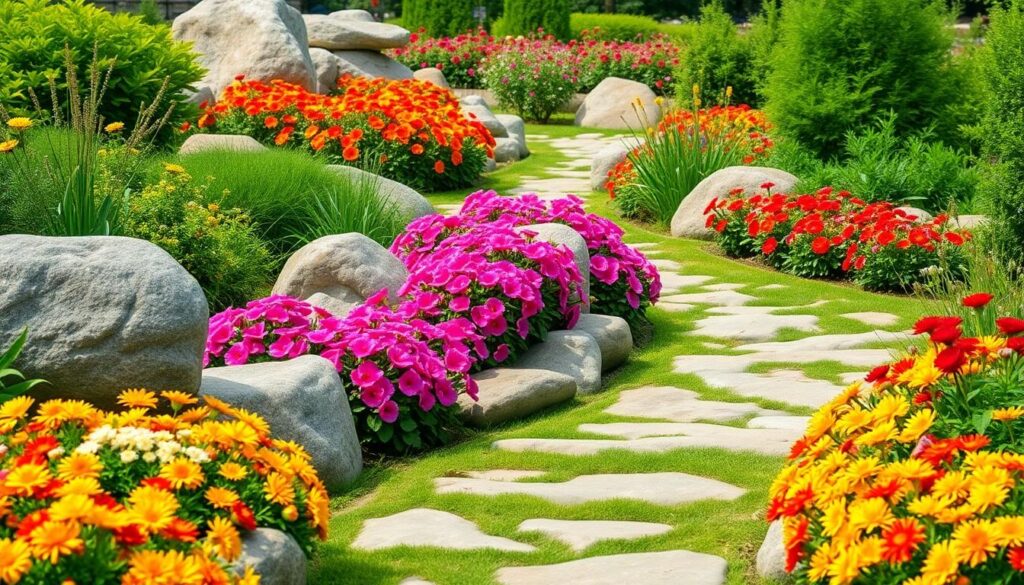
Landscaping river rock offers numerous advantages, making it a popular choice for many homeowners. It combines beauty with functionality, enhancing outdoor spaces with minimal upkeep.
Aesthetic Appeal
River rock adds a unique visual element to gardens. The smooth, rounded stones create an inviting look, perfect for complementing colorful flowers. Varied sizes and hues provide versatility in design, allowing homeowners to match their rocks with their overall landscape theme. Pathways made from river rock can guide visitors through a yard while contributing to a serene ambiance. Decorative borders made of river rock frame flower beds, adding structure and style. This natural material blends seamlessly with other landscaping elements, enhancing the overall beauty of the space.
Durability and Longevity
Durability stands out among river rock’s benefits. Stones resist weathering, making them ideal for harsh climates. Unlike organic materials, river rock does not decompose, ensuring long-lasting appeal. Erosion resistance protects against soil washout, especially in sloped areas. For homeowners seeking low-maintenance solutions, river rock requires minimal care over its lifespan. Installation offers an effective solution for drainage management, preventing pooling water in yards. This combination of strength and practicality makes river rock a preferred option for sustainable landscaping projects.
Types of Landscaping River Rock
Landscaping river rock comes in various types, each offering unique features that enhance outdoor spaces. Understanding these options allows for better decision-making in design and functionality.
Sizing Options
Sizing options for river rock range from small pebbles to larger stones. Small river rocks typically measure between 1/2 inch and 1 inch, making them ideal for pathways or as ground cover. Medium-sized rocks, usually 1 inch to 2 inches, work well in flower beds, acting as decorative borders that help maintain moisture. Larger stones, ranging from 2 inches to 4 inches, provide a robust foundation for retaining walls or drainage systems. Selecting the right size matches the intended use, ensuring that it complements both aesthetics and utility.
Color Variations
Color variations in river rock create dynamic visual appeal in landscapes. Common hues include shades of gray, brown, and tan, offering neutral backdrops that highlight vibrant plants. Additionally, river rocks can be found in blues, greens, and reds, adding unique pops of color to any design. The color choice impacts the overall mood of the space, making it essential to select tones that coordinate with existing structures and plant life. Combining different colors enhances texture and depth, elevating the landscape’s design.
Installation Techniques for Landscaping River Rock
Installing river rock requires careful techniques for optimal results. Proper preparation and placement establish a strong foundation for an attractive landscape.
Preparation of the Area
Clearing the designated area starts with removing existing vegetation, debris, and any large rocks. Next, leveling the ground ensures an even surface for better water drainage. Installing landscape fabric reduces weed growth while allowing lightweight moisture flow. Digging a 2 to 3-inch trench around the placement area facilitates drainage and keeps stones in place. Planning the layout before beginning installation allows for assessing color and size combinations effectively.
Proper Placement
Starting at one end of the area, laying river rock in a consistent layer promotes uniformity. Distributing a depth of 2 to 3 inches prevents soil visibility while allowing for adequate drainage. Mixing different sizes adds visual interest and texture. Ensuring stones are evenly spaced creates a natural, flowing appearance. Filling gaps with smaller stones enhances stability and prevents shifting. Installing decorative borders can define spaces and prevent spread into unwanted areas.
Maintenance of River Rock Landscapes
Maintaining river rock landscapes ensures long-lasting beauty and functionality. Regular attention keeps these outdoor spaces looking their best.
Weed Control
Weeds can disrupt the elegant appearance of river rock landscapes. Installing landscape fabric beneath the rocks effectively reduces weed growth. Heavier stones might prevent weeds from pushing through, but regular inspections are essential. Hand-pulling stubborn weeds provides an immediate solution, while applying organic herbicides can prevent future growth. Mulching surrounding garden beds also minimizes weed competition, allowing plants to thrive.
Cleaning and Upkeep
Cleaning river rock involves simple techniques to preserve its aesthetic appeal. Rinsing the rocks with a garden hose removes dirt and debris, enhancing their natural colors. Pressure washing works wonders for deeper cleaning, especially in high-traffic areas. When dirt accumulates, using a brush with stiff bristles can restore the rocks’ shine. Regular upkeep contributes to drainage effectiveness. Regularly checking for displaced rocks allows for timely rearrangement, maintaining the landscape’s integrity.
Landscaping with river rock offers a unique blend of beauty and practicality. Its versatility allows for creative designs that elevate outdoor spaces while requiring minimal maintenance. By incorporating various sizes and colors of river rock, homeowners can achieve dynamic aesthetics that enhance their landscape’s appeal.
With its durability and resistance to erosion, river rock stands the test of time, making it a smart investment for long-term landscaping. Proper installation and regular maintenance ensure that these stunning features remain functional and visually striking. Embracing river rock can transform any yard into a serene oasis, providing both charm and efficiency.