
Table of Contents
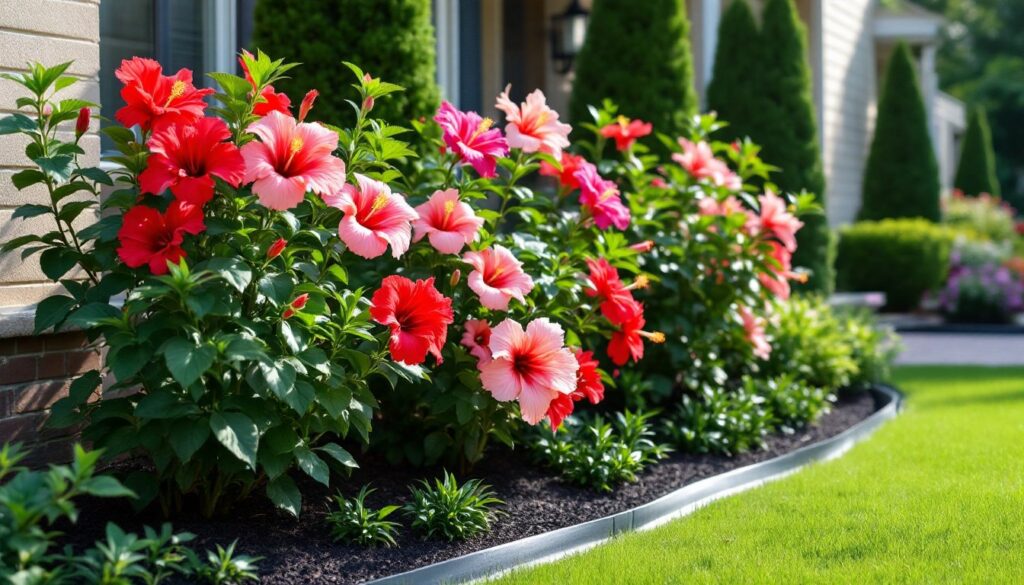
ToggleHibiscus plants bring bold color and architectural presence to front yards without demanding constant attention. Their dinner-plate-sized blooms, ranging from fiery reds to soft pinks, can anchor a landscape design or serve as vibrant accents along walkways and foundation beds. Whether you’re working with a postage-stamp lot or a sprawling suburban yard, hibiscus varieties offer versatility that suits multiple climates and design styles. This guide walks through variety selection, layout planning, planting techniques, and design integration to help homeowners create a front yard that turns heads from the street.
Key Takeaways
- Front yard landscaping with hibiscus offers bold, seasonal blooms in dinner-plate sizes while requiring minimal maintenance once established, with hardy varieties surviving zones 4–9 and tropical types thriving in zones 9–11.
- Hibiscus plants need 6 to 8 hours of direct sun for maximum flowering, proper spacing of 3 to 6 feet apart, and well-draining soil with adequate mulch to prevent root rot and fungal issues.
- Layered planting designs pair hibiscus as mid-layer anchors with low groundcovers in front and screening shrubs in back, creating depth and year-round visual interest in foundation beds.
- New hibiscus plantings require deep watering three times per week for the first month, then twice weekly through the first growing season, while established plants need 1 inch of water per week during active growth.
- Common mistakes like planting in shade, ignoring drainage, overfertilizing, and neglecting mulch renewal significantly reduce bloom production and plant health in front yard hibiscus landscaping.
- Coordinate hibiscus flower colors with your home’s exterior palette, and use hardscape edging, landscape lighting, and decorative containers to create an attractive, low-maintenance front yard focal point.
Why Hibiscus Makes an Ideal Front Yard Plant
Hibiscus delivers year-round structure with seasonal bloom cycles that outperform many common landscape shrubs. Hardy hibiscus (Hibiscus moscheutos) produces flowers 6 to 12 inches across from mid-summer through early fall, while tropical hibiscus (Hibiscus rosa-sinensis) blooms continuously in frost-free zones.
The upright growth habit, typically 3 to 8 feet tall depending on variety, makes hibiscus well-suited for layered planting schemes. Use them as mid-height anchors behind groundcovers and in front of screening shrubs. Their woody stems hold up to wind better than herbaceous perennials, and most varieties don’t require staking.
Maintenance demands stay reasonable. Established plants need 1 inch of water per week during active growth, less during dormancy. Fertilize with a balanced slow-release formula (10-10-10 or similar) in spring and again mid-summer. Pruning happens once annually for hardy types, and tropical varieties benefit from light shaping every few months to control size.
Hibiscus also tolerates a range of soil types as long as drainage is adequate. They’ll grow in clay, loam, or sandy soils with a pH between 6.0 and 7.0, though amending heavy clay with compost improves root establishment.
Choosing the Right Hibiscus Varieties for Your Front Yard
Variety selection hinges on your USDA hardiness zone and whether you want permanent landscape shrubs or container specimens you can move indoors.
Tropical Hibiscus vs. Hardy Hibiscus
Tropical hibiscus thrives in zones 9-11 as a permanent landscape plant. In colder zones, treat it as a seasonal container plant or expect to replant annually. Flowers appear daily but last only 24 hours: the plant compensates by producing new buds continuously. Popular cultivars include ‘Brilliant Red’ (classic crimson), ‘Fifth Dimension’ (coral with ruffled petals), and ‘White Wings’ (pure white with a red throat). Growth stays compact, 4 to 6 feet, making tropical types manageable near walkways or entryways.
Hardy hibiscus survives winters in zones 4-9, dying back to the ground in fall and re-emerging from the root crown in late spring. Flowers emerge on new growth, so you lose nothing by cutting dead stems to ground level in late winter. ‘Luna Rose’ produces 8-inch pink blooms on compact 3-foot plants. ‘Kopper King’ reaches 4 to 5 feet with burgundy foliage and white-pink flowers. ‘Fireball’ stays under 4 feet with deep red blooms.
For homeowners seeking low maintenance plants, hardy varieties win on cold tolerance and reduced overwinter care. Tropical types offer more vibrant, complex color patterns but demand winter protection outside their hardiness range.
Planning Your Front Yard Hibiscus Layout
Start by mapping sun exposure. Hibiscus needs 6 to 8 hours of direct sun for maximum bloom production. Morning sun with afternoon shade works in hot climates (zones 9-11), but in cooler regions, full sun all day yields better results.
Measure planting bed depth. Foundation beds should extend 4 to 6 feet from the house to accommodate mature hibiscus width (typically 3 to 5 feet spread). Avoid planting closer than 18 inches from siding or masonry to allow air circulation and prevent moisture buildup against the structure.
Space multiple plants 3 to 4 feet apart (center to center) for a continuous hedge effect, or 5 to 6 feet for individual specimen display. Closer spacing creates faster visual impact but increases competition for water and nutrients.
Consider sightlines from the street and main entry door. Position taller varieties (6 to 8 feet) at bed corners or as focal points flanking the walkway. Use shorter cultivars (3 to 4 feet) under windows where taller plants would block views or architectural details.
Incorporating landscaping plants for front beds alongside hibiscus adds texture contrast. Pair hibiscus with evergreen boxwood, dwarf yaupon holly, or ornamental grasses that provide year-round structure when hibiscus goes dormant.
Draw a scaled sketch on graph paper (1 square = 1 foot) before buying plants. Mark existing utilities, sprinkler heads, and sidewalk edges. This prevents costly mistakes like digging into irrigation lines or planting over septic fields.
Planting and Care Requirements for Front Yard Hibiscus
Timing: Plant hardy hibiscus in spring after the last frost date or in early fall (at least 6 weeks before the first hard freeze). Tropical hibiscus can go in anytime frost danger has passed.
Soil Preparation: Dig planting holes twice the width of the nursery container and equal depth. Don’t plant deeper than the root ball’s original soil line, buried stems invite rot. Mix excavated soil with 2 to 3 inches of compost if working with heavy clay or pure sand.
Planting Steps:
- Remove the plant from its container and gently loosen circling roots with your fingers. Cut through severely root-bound masses with pruners.
- Set the root ball in the hole, checking that the top sits level with surrounding grade.
- Backfill with amended soil, tamping lightly to eliminate air pockets.
- Build a 3-inch-high soil berm in a circle around the planting hole to create a watering basin.
- Water thoroughly until the basin fills and drains twice.
Mulching: Apply 2 to 3 inches of shredded hardwood mulch or pine bark around the base, keeping mulch 3 inches away from stems to prevent fungal issues.
Watering Schedule: New plantings need deep watering three times per week for the first month, then twice weekly through the first growing season. Established plants require 1 inch per week from rain or irrigation. Use a rain gauge to track natural precipitation.
Fertilization: Apply a slow-release balanced fertilizer (10-10-10) in early spring at the rate specified on the package (typically 1 cup per plant for established shrubs). Add a second application in mid-summer for tropical varieties or vigorous hardy cultivars. Avoid high-nitrogen formulas that promote foliage over flowers.
Pruning: Hardy hibiscus requires minimal pruning, cut dead stems to ground level in late winter before new growth emerges. Tropical types benefit from light shaping after major bloom flushes to maintain compact form. Use bypass pruners for stems up to 3/4 inch diameter: switch to loppers for thicker wood.
Pest Management: Watch for aphids, Japanese beetles, and whiteflies. A strong spray from a garden hose dislodges aphids. Hand-pick beetles into soapy water early morning when they’re sluggish. Insecticidal soap controls whiteflies, apply per label directions, covering leaf undersides.
Wear gloves and safety glasses when handling fertilizers and pesticides. Follow label rates exactly: more isn’t better and can damage plants or contaminate runoff.
Design Ideas to Complement Your Hibiscus Landscaping
Hibiscus blooms dominate visually, so choose companion plants that provide contrasting texture without competing for attention.
Layered Borders: Plant hardy hibiscus as the mid-layer in a three-tier border. Front with low groundcovers like creeping sedum, candytuft, or blue fescue grass. Back with evergreen screening shrubs such as ‘Emerald Green’ arborvitae or Nellie Stevens holly. This arrangement gives the bed depth and year-round interest.
Walkway Flanking: Line front walkways with tropical hibiscus in 18 to 24-inch decorative containers (ceramic, resin, or composite materials with drainage holes). This approach works well in cold climates where you’ll move containers indoors before frost. Pair with matching planters filled with trailing sweet potato vine or annual vinca for added color.
Foundation Groupings: Cluster three to five hibiscus plants in odd-numbered groups at foundation corners or beside entry steps. Odd numbers create more natural, less formal compositions. Underplant with shade-tolerant hostas or coral bells if the hibiscus canopy casts afternoon shadow.
Color Coordination: Pull accent colors from your home’s exterior. Red hibiscus echoes brick or painted shutters: white varieties complement coastal or farmhouse-style siding: pink and coral tones pair well with warm beige, tan, or gray exteriors. Design experts at Gardenista recommend limiting the palette to three main colors for cohesive front yard schemes.
Hardscape Integration: Frame hibiscus beds with 4 to 6-inch landscape edging (steel, aluminum, or poly). This defines planting areas and prevents mulch from washing onto turf or pavement. For easy landscaping ideas, consider adding a 3 to 4-foot-wide mulch path through larger beds to simplify maintenance access.
Lighting: Install low-voltage LED landscape lights (3 to 5 watts per fixture) at the base of specimen hibiscus to uplight blooms and foliage after dark. Position fixtures 12 to 18 inches from the trunk, angled upward at roughly 30 degrees. This highlights the plant’s structure without causing glare visible from the street.
Common Mistakes to Avoid When Landscaping with Hibiscus
Planting in Shade: Hibiscus planted in less than 6 hours of sun produces sparse blooms and leggy growth. If your front yard lacks adequate sun, choose shade-tolerant alternatives like hydrangeas or azaleas instead.
Ignoring Drainage: Hibiscus roots rot in saturated soil. If your planting area holds standing water 24 hours after rain, either install drainage tile (perforated 4-inch PVC pipe in a gravel-filled trench sloped 1/4 inch per foot), build a raised bed with 8 to 12 inches of imported topsoil, or select a different location. Don’t assume amending clay with sand will fix drainage, it often creates a concrete-like layer. Organic matter (compost, peat, aged manure) improves clay structure without the sand risk.
Overfertilizing: Excess nitrogen causes lush foliage with few flowers and makes plants more attractive to pests. Stick to two applications per year of balanced slow-release fertilizer. If foliage looks healthy but blooms are scarce, hold off on feeding and verify the plant receives adequate sun.
Wrong Variety for Climate: Planting tropical hibiscus in-ground in zone 7 guarantees winter loss. Verify your USDA hardiness zone (available through the USDA Plant Hardiness Zone Map) and match varieties accordingly. When in doubt, hardy hibiscus offers better odds in borderline zones.
Skipping Mulch Renewal: Mulch decomposes and compacts over time, losing effectiveness. Refresh mulch layers annually in spring, maintaining 2 to 3 inches of depth. Avoid mulch volcanoes, piling mulch against stems invites disease and provides habitat for rodents that chew bark.
Improper Watering: Both underwatering and overwatering cause bud drop and leaf yellowing. Stick your finger 3 inches into the soil near the root zone. If it feels dry at that depth, water thoroughly. If it’s moist, wait another day or two. Oscillating sprinklers waste water and promote fungal diseases by wetting foliage. Use soaker hoses or drip irrigation that deliver water directly to the root zone.
Neglecting Winter Protection (Tropical Types): In zones 8 and colder, tropical hibiscus needs to come indoors before the first frost or be treated as an annual. If bringing containers inside, quarantine them for two weeks in a garage or mudroom to address any pest hitchhikers before moving them near houseplants. Gradually acclimate plants to lower indoor light levels by reducing sun exposure over 7 to 10 days.
Planting Too Close to Hardscapes: Hibiscus roots can lift pavers and crack narrow sidewalks over time. Maintain 3 feet of clearance between mature plant centers and concrete walkways, driveways, or patios. For guidance on integrating plants with hardscape elements, resources at Southern Living offer regional planting strategies.
Ignoring Mature Size: A cute 12-inch nursery plant becomes a 6-foot shrub in two to three years. Planting too close to windows, doorways, or air conditioning units creates ongoing maintenance headaches. Check the plant tag or variety description for mature dimensions and plan accordingly. When combining with other features like ornamental grasses, ensure adequate spacing for both to reach full size without crowding.