Fungus gnats are like uninvited party guests that just won’t leave, even when there’s no party to crash. Imagine coming home after a long day only to find these tiny pests buzzing around your living room, despite the absence of any plants. It’s enough to make anyone question their life choices, or at least their cleaning habits.
Understanding Fungus Gnats
Fungus gnats are tiny flying insects often found indoors. These pests can be a nuisance even in homes without plants.
What Are Fungus Gnats?
Fungus gnats are small, dark-colored flies belonging to the Sciaridae family. Adults measure about 1/8 inch long and possess long legs and antennae. Their larvae, which are nearly transparent, feed on organic matter in soil. These insects thrive in damp environments, making houses with excess moisture ideal habitats. While they primarily target potted plants, they may invade living spaces through decaying organic material, such as overwatering or wet soil.
Life Cycle and Habits
Fungus gnats undergo several life stages: egg, larva, pupa, and adult. Female gnats lay approximately 100 eggs in moist, organic-rich soil or decaying matter. After about a week, larvae hatch and begin consuming organic material for about two weeks. Then, they pupate in the soil before emerging as adults. Adult gnats often live for about one week and can multiply quickly, making it essential to control moisture levels in homes. Managing these environmental factors helps prevent gnat infestations, even in spaces devoid of plants.
Causes of Fungus Gnats in Houses Without Plants
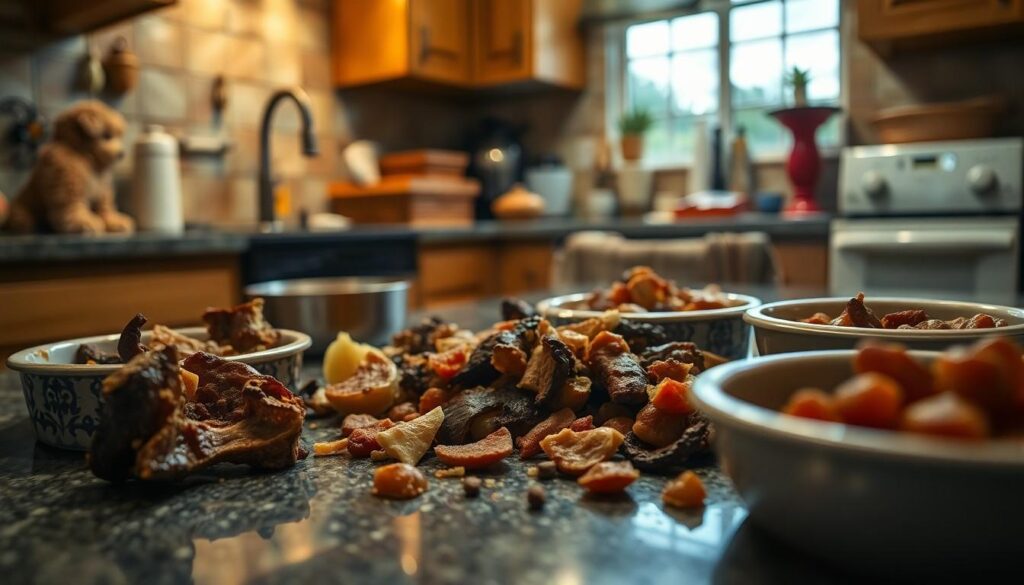
Fungus gnats can invade homes without potted plants due to several underlying factors.
Common Attractants
Decaying food scraps often lure fungus gnats into kitchens and dining areas. They thrive around leftover fruits and vegetables. Organic debris from pet food bowls can also attract these pests. Moisture in sinks and garbage disposals provides an ideal breeding ground. Bacteria in these environments create a suitable habitat for larvae. Homeowners may overlook these attractants, not realizing they contribute to gnat issues.
Environmental Factors
Excess moisture in various parts of the house encourages the proliferation of fungus gnats. Humid environments inside bathrooms or laundry rooms become appealing to these insects. Poor ventilation exacerbates moisture levels, creating favorable conditions. Soil or compost in areas without plants can still host eggs and larvae. Temperatures between 70°F and 80°F enhance gnat activity as well. By understanding these environmental factors, individuals can take proactive steps to reduce moisture and manage potential infestations.
Identifying Fungus Gnats
Fungus gnats can be identified through various characteristics and signs of their presence in indoor environments.
Signs of Infestation
Small, dark flies buzzing around can indicate an infestation. Noticing tiny larvae wriggling in contaminated soil or damp areas points to fungus gnats as well. Adults tend to swarm near sources of moisture, such as sinks or drains. Increased sightings of these flies often occur in kitchens and bathrooms where humidity levels are high. Observing decaying organic materials, like food scraps, can create an attractive environment for them. Homeowners should regularly check for larvae in areas with constant moisture to confirm the presence of these pests.
Distinguishing from Other Pests
Fungus gnats resemble fruit flies but differ in behavior and anatomy. They’re slightly smaller, measuring about 1/8 inch, with longer legs and an elongated body. Unlike fruit flies, fungus gnats prefer moist soil and organic matter, rather than overripe fruits. Flies that resemble them may include drain flies, which have a more robust body and a fuzzy appearance. Close inspection can reveal the differences in their wing structure; fungus gnats possess long, slender wings compared to the more rounded wings of drain flies. Identifying these distinctions helps homeowners address the correct pest issue efficiently.
Effective Control Methods
Controlling fungus gnats in a home without plants involves specific strategies. Homeowners can implement effective hygienic practices, natural remedies, and chemical solutions.
Hygienic Practices
Maintaining cleanliness can significantly reduce fungus gnat populations. Regularly emptying garbage bins prevents the accumulation of decomposing organic materials. Cleaning under furniture and appliances removes potential breeding grounds. Checking for leaks or moisture accumulation in sinks and basements addresses areas where gnats thrive. Utilizing airtight containers for storing food helps limit access to food sources. Frequent vacuuming captures adult gnats and their larvae from carpets and surfaces.
Natural Remedies
Utilizing natural remedies offers an eco-friendly approach. Apple cider vinegar traps can lure and kill adult gnats effectively. Mixing one part vinegar with a few drops of dish soap in a bowl creates an irresistible bait. Beneficial nematodes serve as predators for larvae, effectively controlling their population. Incorporating citronella candles may deter adult gnats in infested areas. Sprinkling diatomaceous earth in suspected breeding sites can desiccate larvae on contact, ensuring fewer flies emerge.
Chemical Solutions
Resorting to chemical solutions should be a last option. Insecticidal soap can target fungus gnats effectively while posing minimal risk to other household members. Pyrethrin-based aerosol sprays offer immediate knockdown of adult flies but require careful application to avoid harming beneficial insects. Consider using larvicides specifically formulated for fungus gnat control. Always follow label instructions to ensure safety and efficacy when applying chemical products.
Preventing Future Infestations
Preventing future infestations of fungus gnats requires proactive measures focusing on cleanliness and regular monitoring.
Maintaining Cleanliness
Cleanliness plays a crucial role in keeping fungus gnats at bay. Homeowners should regularly empty kitchen and bathroom trash bins to eliminate potential food sources. Wiping down surfaces helps reduce organic debris accumulation. Check under furniture and appliances for hidden crumbs or spills, as these attract pests. Additionally, cleaning pet food bowls daily keeps areas free from residue. Maintaining dry conditions in sinks and countertops prevents excessive moisture buildup. The combination of these practices significantly lowers the chances of attracting fungus gnats.
Monitoring and Maintenance
Regular monitoring allows for early detection of any signs of fungus gnats. Homeowners should inspect areas prone to moisture, such as sinks and bathrooms, frequently. Utilizing sticky traps near potential breeding grounds traps adult gnats, indicating population levels. Watching for the presence of larvae in damp areas aids in timely intervention. Seasonal changes may also prompt increased gnat activity, necessitating a more proactive approach. Maintaining proper ventilation throughout the home helps manage humidity and prevents favorable conditions for gnat reproduction. Focusing on these practices promotes a pest-free home environment.
Fungus gnats can be a nuisance even in homes without plants. Understanding their habits and what attracts them is crucial for effective management. By maintaining cleanliness and monitoring moisture levels, homeowners can significantly reduce the likelihood of infestations. Implementing simple strategies like regular cleaning and using natural remedies can create an environment less appealing to these pests. Awareness and proactive measures are key to ensuring a comfortable living space free from unwanted guests. With diligence, it’s possible to keep fungus gnats at bay and enjoy a pest-free home.