
When it comes to small front yards, the challenge often lies in making the most of limited space. But fear not! A well-designed retaining wall can transform that tiny patch of earth into a stunning landscape that even the neighbors will envy. Think of it as the superhero of your yard—strong, stylish, and ready to save the day from dullness.
Overview of Small Front Yard Retaining Walls
Small front yard retaining walls serve crucial functions in landscaping. They enhance drainage, prevent soil erosion, and define garden spaces effectively. In areas with slopes, these walls can stabilize the land and create usable flat areas.
Materials for retaining walls vary widely. Natural stone, concrete blocks, and timber rank among the popular choices. Each material offers unique aesthetics and durability, allowing homeowners to select options that align with their garden styles.
Designs can incorporate a range of styles. Modern, rustic, and traditional designs cater to different architectural preferences. Some homeowners opt for curved walls to soften hard lines, while others prefer straight edges for a clean look.
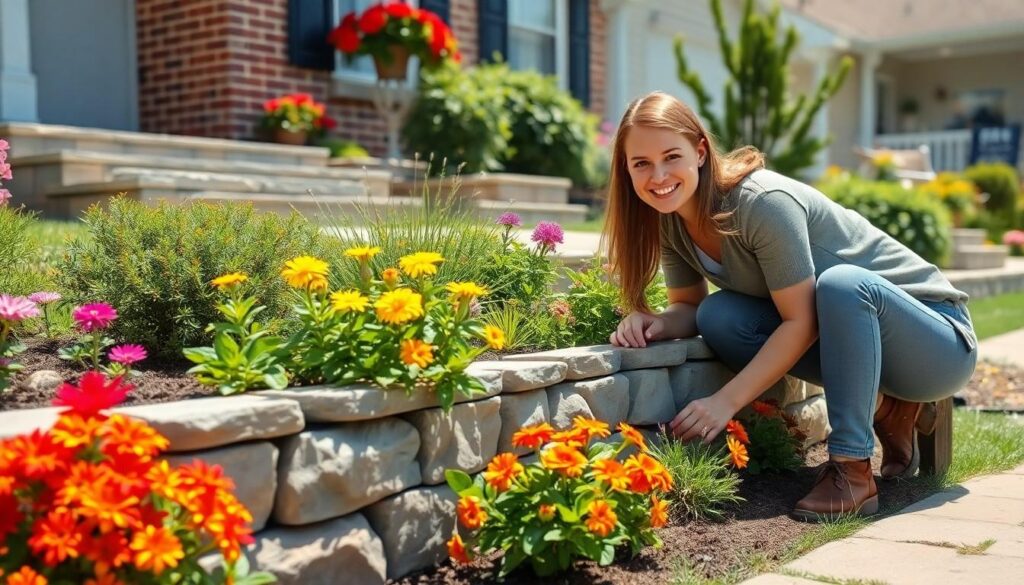
Plant selections around retaining walls enhance appeal. Low-maintenance perennials and colorful annuals provide visual interest. Succulents thrive well in compact spaces, adding texture without requiring excessive water.
Functionality is another key aspect. Seating walls, integrated into the design, offer additional outdoor living space. Adding lighting can illuminate the wall, highlighting textures while increasing safety and enjoyment during evenings.
Consider local building regulations. Many municipalities require permits for retaining wall construction. Ensuring compliance with zoning laws promotes safety and avoids future complications.
Overall, small front yard retaining walls transform limited spaces. These structures add character and meet practical needs, showcasing the potential of any yard. Through thoughtful design choices and appropriate materials, homeowners can develop attractive and functional landscapes.
Benefits of Retaining Walls in Landscaping
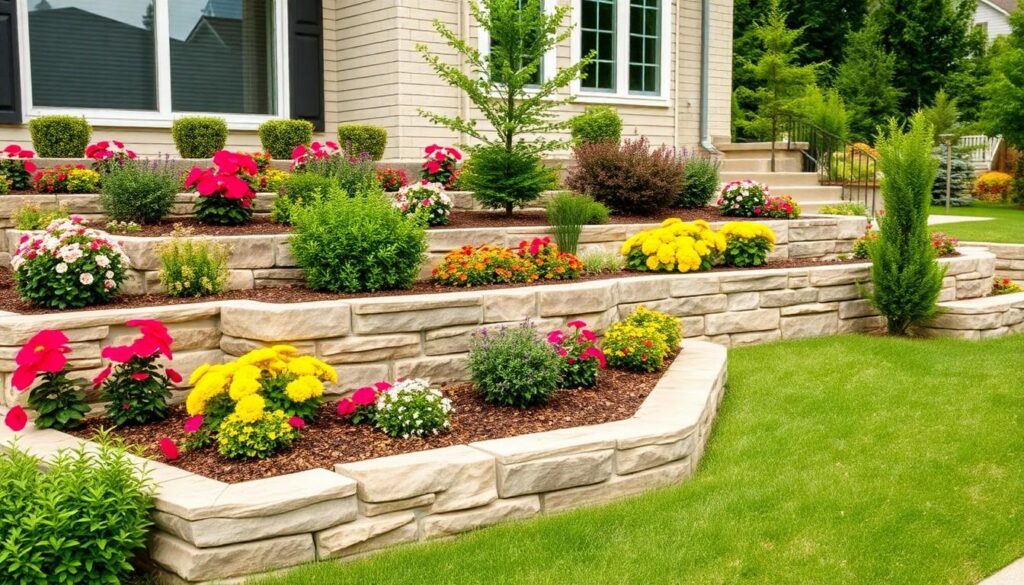
Retaining walls offer several advantages in landscaping, especially for small front yards. They enhance the overall functionality and aesthetics of the space.
Space Optimization
Space optimization represents a key benefit of retaining walls. Creating flat areas in sloped yards opens up opportunities for gardens, patios, or seating areas. Walls allow for the strategic placement of flowers, shrubs, or small trees, maximizing the available space. Homeowners can design visually appealing layers with various plants, bringing depth and texture to the landscape. Walls also provide a clear boundary, helping to define sections of the yard. This separation fosters organization and leads to a more cohesive design throughout the outdoor area.
Erosion Control
Erosion control provides another crucial benefit of retaining walls. These structures effectively stabilize soil and prevent it from washing away, particularly in sloped areas. They serve as a barrier against water runoff, reducing the risk of vegetation loss and landscape damage. By managing stormwater, retaining walls encourage healthy plant growth and contribute to garden longevity. Moreover, through effective drainage solutions, walls can help maintain soil moisture levels. Enhanced soil stability supports diverse plant life and contributes to the overall health of the yard.
Creative Landscaping Ideas
Maximizing the charm of small front yards involves innovative uses of retaining walls. Creative landscaping ideas can transform these structures into focal points.
Decorative Stone and Brick Walls
Natural stone or brick retaining walls add texture and color. When homeowners choose these materials, they create a timeless aesthetic. Adding variations in color can enhance visual interest. Borders of native plants at the base provide organic contrast. Integrating lighting along stone features highlights architectural details during the evening. Use reclaimed bricks to emphasize sustainability while maintaining a rustic feel. Ornamental grasses can soften hard edges, blending the wall into the landscape. Selecting the right color palette for the stone or brick complements other design elements.
Planting on Retaining Walls
Using walls as planting opportunities enhances greenery throughout the yard. Succulents and cascading flowering plants thrive atop retaining walls, adding vibrancy. Opt for native plants that require minimal maintenance and suit the local climate. Trailing species soften the wall’s appearance while creating a lush effect. Strategically placed herbs can provide both beauty and functionality. Vertical gardens can utilize wall space effectively, improving air quality. Containers affixed to walls introduce additional planting options, increasing texture. Choose plants that bloom seasonally to maintain visual appeal year-round.
Designing with Purpose
Creating a small front yard with a retaining wall involves thoughtful design choices. Each component contributes to the overall functionality and aesthetic appeal.
Functionality and Aesthetics
A retaining wall enhances both function and design. Firstly, it offers structural support, preventing soil erosion and managing drainage. It also creates usable flat spaces, perfect for gardens or outdoor seating areas. Limiting space in front yards necessitates strategic planning, ensuring each element serves a purpose. Adding plants along the wall enhances visual interest and brings life to the landscape. A well-placed retaining wall does more than just divide spaces; it invites creativity and allows homeowners to maximize their front yard’s potential.
Lighting and Decor Options
Incorporating lighting into retaining walls can elevate both function and ambiance. Installing integrated lighting makes pathways more inviting and increases safety during evening use. Some homeowners opt for solar-powered lights, offering energy efficiency and easy installation. Decorative elements, such as garden art or climbing plants, can transform simple walls into focal points. For instance, adding lanterns or wall sconces creates a warm, welcoming glow. Carefully selecting decor items ties the overall design together, ensuring cohesion throughout the space. Creative lighting combined with thoughtful decor can bring a retaining wall to life, enhancing the yard’s charm.
Cost Considerations
Costs for small front yard retaining walls vary based on materials and design choices. Natural stone often commands a higher price, ranging from $30 to $100 per square foot. Concrete blocks present a more affordable alternative, typically costing $10 to $25 per square foot. Timber can offer budget-friendly solutions, usually priced between $10 and $15 per square foot, but may require ongoing maintenance.
Labor costs add another layer to the total project expense. Hiring professionals can incur charges of $50 to $100 per hour, depending on the complexity of the installation. DIY projects can reduce costs significantly, yet they require careful planning and execution to avoid potential mishaps.
Permits often factor into the overall expenses, with prices differing by location. It’s prudent to check local regulations to ascertain permit costs, which can range from $100 to $500. Ignoring these requirements can lead to additional fees if adjustments or removals are necessary.
Budgeting for maintenance is essential. Regular upkeep ensures longevity and appearance, particularly for materials like timber, which may need treatment every few years. Planning for seasonal planting and landscaping enhancements should also be considered.
A thorough analysis of material, labor, and potential permit costs establishes a solid financial foundation for constructing small front yard retaining walls. Prioritizing design and investment ensures the project aligns with both aesthetic and budgetary considerations, meeting homeowner requirements and community standards.
Transforming a small front yard with a retaining wall can create a stunning and functional outdoor space. By carefully selecting materials and design styles that resonate with personal tastes, homeowners can enhance their curb appeal while optimizing their yard’s layout.
Incorporating plants and decorative elements can further elevate the visual impact, making the retaining wall a focal point of the landscape. With thoughtful planning and attention to local regulations, a well-designed retaining wall can not only beautify the front yard but also provide essential benefits like erosion control and improved drainage.
Ultimately, the right retaining wall can turn a modest front yard into a charming oasis that reflects individual style and enhances the overall landscape.