

As 2024 approaches, many are curious about the upcoming time changes that affect daily life. Daylight Saving Time has become a familiar routine for millions, but the exact dates can sometimes be confusing. Knowing when to set clocks forward or back is essential for planning everything from appointments to travel.
In 2024, the transition into and out of Daylight Saving Time will follow the familiar schedule. Understanding these changes not only helps in managing time effectively but also in adapting to the seasonal shifts that influence daily activities. Stay tuned to find out the specific dates and tips for making the most of the time change this year.
Overview of Time Change
Time changes occur twice a year, affecting daily routines and schedules. Understanding these changes helps individuals plan effectively for appointments, travel, and other activities.
Daylight Saving Time Explained
Daylight Saving Time (DST) starts on the second Sunday in March and ends on the first Sunday in November. In 2024, clocks spring forward one hour on March 10 and fall back one hour on November 3. This practice shifts one hour of daylight from the morning to the evening, providing longer daylight later in the day. DST was initially implemented to save energy and make better use of daylight.
Importance of Time Changes
Time changes play a significant role in various aspects of life. Scheduling coordinated activities, such as meetings or flight arrangements, requires awareness of these shifts. Health impacts, like sleep patterns and mood adjustments, often accompany time changes. Additionally, businesses must adjust operating hours, affecting customer interactions and service availability. Understanding time changes promotes better planning and minimizes disruptions throughout the year.
When Will the Time Change in 2024
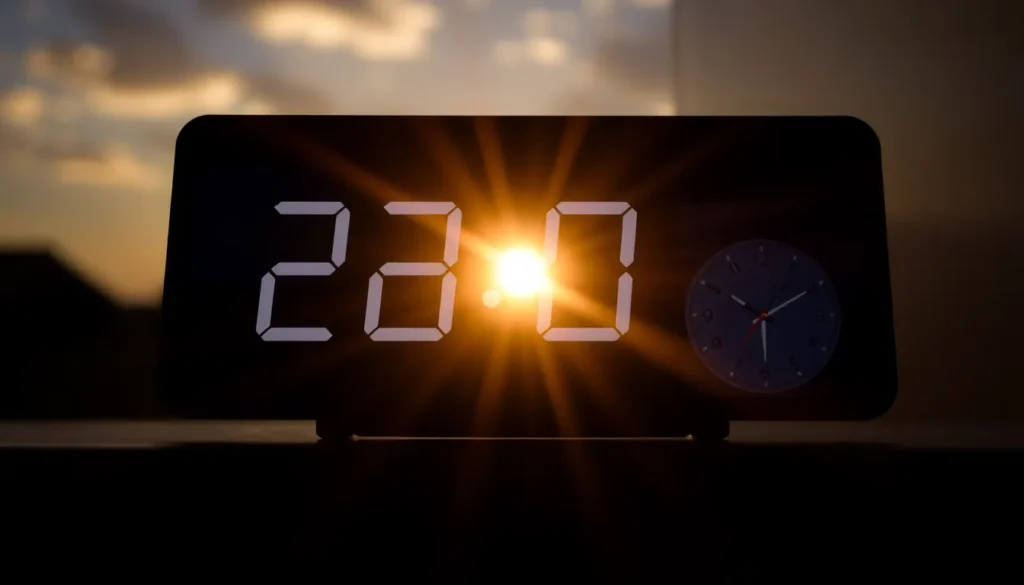
In 2024, understanding the time changes associated with Daylight Saving Time (DST) is essential for planning. The key dates for the time changes are March 10 and November 3.
Spring Forward: Date and Time
Clocks spring forward one hour on March 10, 2024, at 2:00 AM local standard time. This transition signals the start of Daylight Saving Time, providing an extra hour of daylight in the evening.
Fall Back: Date and Time
Clocks fall back one hour on November 3, 2024, at 2:00 AM local daylight time. This marks the end of Daylight Saving Time, returning to standard time and reducing evening daylight once again.
Regional Differences in Time Change
Regional differences significantly impact the observance of Daylight Saving Time (DST) across the United States. Some states fully participate in the twice-a-year clock adjustments, while others opt out entirely.
States Observing Daylight Saving Time
States observing Daylight Saving Time include:
- California: Enforces DST, shifting clocks forward in March and back in November.
- Texas: Adopts DST, enabling longer evening hours.
- Florida: Follows DST for energy conservation and extended daylight evenings.
- New York: Engages in DST, which enhances tourism and evening activities.
- Illinois: Complies with DST, impacting business operations and scheduling.
All these states adjust clocks on March 10, 2024, at 2:00 AM, and revert on November 3, 2024, at 2:00 AM.
States That Do Not Observe Daylight Saving Time
States opting out of Daylight Saving Time include:
- Arizona: Excludes most areas, except for the Navajo Nation.
- Hawaii: Chooses not to participate, maintaining standard time year-round.
- Puerto Rico: Does not observe DST, avoiding seasonal shifts altogether.
- American Samoa: Remains on standard time without time changes.
- U.S. Virgin Islands: Stays on standard time, consistent throughout the year.
These regions maintain the same time throughout the year, resulting in no need for clock adjustments.
Potential Changes to Time Change Policies
As discussions surrounding Daylight Saving Time (DST) evolve, potential changes to time change policies are gaining attention. Both legislative actions and public sentiment play crucial roles in how time adjustments may be shaped in the future.
Legislative Discussions
Legislative bodies across the United States are considering petitions to abolish or modify DST. Several states, including Florida and California, have introduced bills advocating for a permanent switch to standard time or extended DST. The U.S. Senate passed the Sunshine Protection Act, which aimed to make DST permanent, though it stalled in the House of Representatives. These legislative debates often center on the impacts of time changes on health, productivity, and safety.
Public Opinion on Daylight Saving Time
Public opinion on DST is increasingly divided. Surveys indicate a growing majority favor eliminating the biannual clock changes, citing disruptions in sleep and routine. Some advocates argue that a permanent DST could enhance evening activity and reduce seasonal depression, while opponents raise concerns about reduced morning light. A 2023 poll revealed that 63% of Americans support ending the clock adjustments. Continued engagement and advocacy by citizens may influence legislators’ decisions on the future of DST policies.
As 2024 approaches the time change, it’s essential to stay informed about the specific dates and implications of Daylight Saving Time. With clocks springing forward on March 10 and falling back on November 3, individuals can better plan their schedules and activities.
Awareness of regional differences in DST observance is also important for effective coordination. The ongoing discussions regarding potential changes to time change policies reflect the evolving attitudes toward DST. By understanding these dynamics, everyone can navigate the seasonal shifts more smoothly and minimize disruptions in their daily lives.