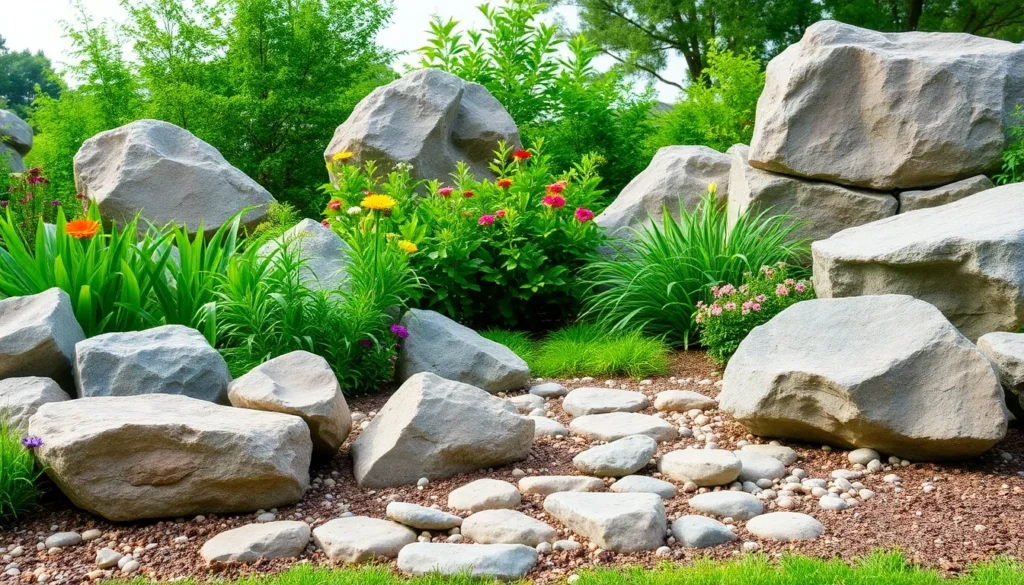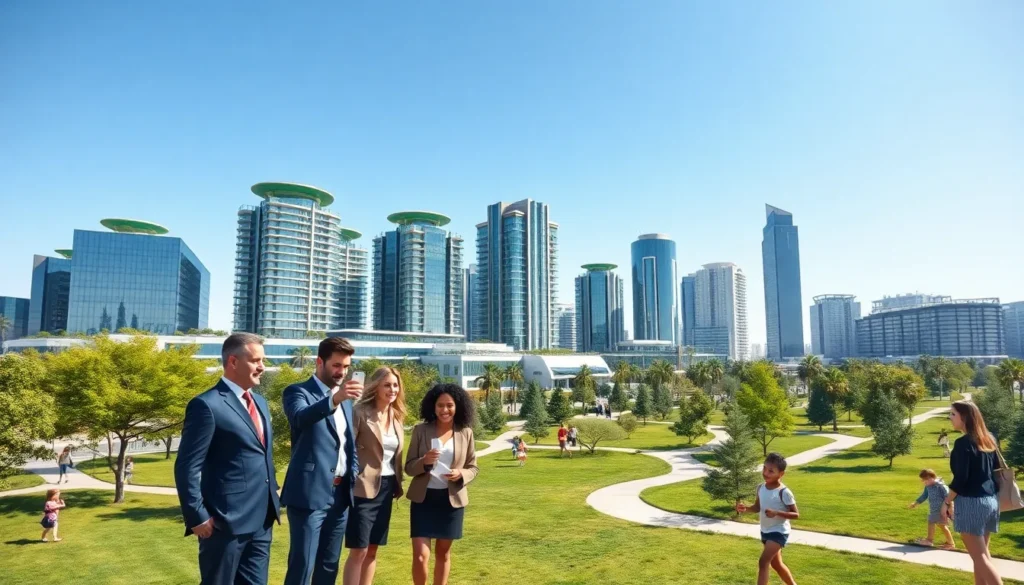
In a world where outdoor spaces are often overlooked, modern landscaping is here to transform the mundane into the magnificent. Imagine stepping into your backyard and feeling like you’ve entered a chic urban oasis rather than a patch of grass that needs mowing. With the right design, your outdoor area can become the envy of the neighborhood—without the need for a degree in horticulture or a second mortgage.
Modern landscaping isn’t just about pretty plants; it’s about creating a harmonious blend of nature and architecture that fits today’s lifestyles. From sustainable practices to sleek designs, it’s all about maximizing beauty while minimizing effort. So why settle for a boring yard when you can elevate your space into a stunning retreat? Get ready to dig into the world of modern landscaping, where creativity meets functionality and your outdoor dreams can finally take root.
Overview of Modern Landscaping
Modern landscaping emphasizes creating outdoor spaces that are not only visually appealing but also functional and sustainable. This design approach merges nature with architecture, resulting in environments that reflect contemporary lifestyles. Key elements often include clean lines, minimalism, and the use of native plants, which promote ecological harmony.
Landscape architects focus on incorporating technology, such as smart irrigation systems and outdoor lighting, to enhance usability. Water features, like ponds and fountains, often add tranquility, while hardscaping elements, such as patios and pathways, provide structure and accessibility.
Sustainability is a priority, encouraging the use of eco-friendly materials and low-maintenance plantings. Creating spaces that work with local ecosystems protects wildlife and conserves resources. Seasonal interest is also a crucial element, achieved through thoughtful plant selection and strategic placement.
Moreover, outdoor living spaces have gained popularity, including outdoor kitchens, fire pits, and seating areas. These features extend living areas beyond the home, fostering connections with nature and providing venues for social gatherings.
Blending aesthetics with practicality defines modern landscaping. It invites individuals to personalize their environments while promoting ecological health. Engaging with these innovative practices empowers homeowners to craft their outdoor spaces efficiently.
Key Elements of Modern Landscaping
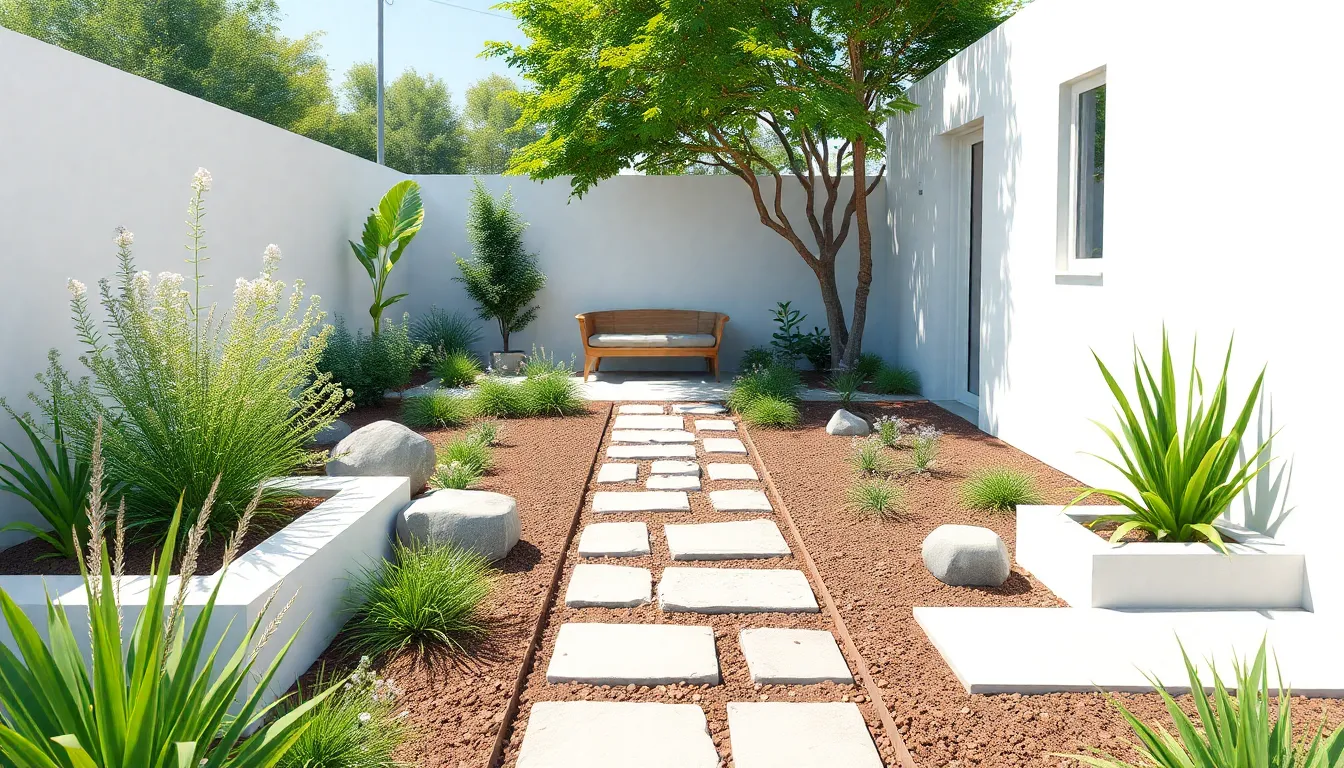
Modern landscaping incorporates several essential elements that enhance outdoor spaces. These elements focus on aesthetics, sustainability, and ecological harmony.
Minimalism in Design
Minimalism shapes modern landscaping by emphasizing simplicity. Clean lines create a sense of order and tranquility. Open spaces invite relaxation, allowing individuals to connect with nature. Essential features often include geometric shapes and limited plantings, reducing visual clutter. Additionally, functionality intersects with design, as pathways and seating areas offer practicality without overwhelming the landscape. Use of materials like concrete and stone promotes a contemporary feel while remaining low-maintenance.
Sustainable Practices
Sustainable practices lie at the heart of modern landscaping. Implementing eco-friendly materials reduces environmental impact. Rain gardens capture stormwater, minimizing runoff and supporting local ecosystems. Choosing permeable paving allows water infiltration, promoting healthier soil. Moreover, smart irrigation systems optimize water usage, conserving this vital resource. Engaging in composting and mulching enhances soil quality while reducing waste. Committing to these practices fosters not only beauty but also ecological health.
Use of Native Plants
Using native plants plays a crucial role in modern landscaping. These plants thrive in local climates, requiring less water and maintenance. Biodiversity flourishes, as native species support local pollinators and wildlife. Selecting plants that suit the environment reduces the need for chemical fertilizers and pesticides. Additionally, their unique features provide seasonal interest throughout the year. Homeowners can create diverse landscapes that harmonize with natural habitats and promote ecological balance.
Trends in Modern Landscaping
Modern landscaping showcases trends that reflect contemporary lifestyles. Outdoor living spaces gain popularity, blending functionality with comfort. Homeowners often incorporate kitchens, fire pits, and seating areas to enhance outdoor experiences. These spaces promote connection with nature while offering versatile environments for relaxation or entertaining.
Vertical gardening embraces limited outdoor space by utilizing walls or trellises. Homeowners can create appealing green spaces without sacrificing valuable ground area. This approach boosts aesthetics and enhances air quality, attracting diverse wildlife. Plants like ferns or herbs thrive in vertical gardens, providing both beauty and utility.
Smart landscaping technology transforms how individuals interact with their outdoor spaces. Automated irrigation systems optimize water usage, reducing waste and promoting plant health. Homeowners benefit from remote-controlled lighting, allowing them to set the mood effortlessly. Integration of technology into landscaping simplifies maintenance and elevates overall enjoyment of outdoor areas.
Benefits of Modern Landscaping
Modern landscaping offers numerous advantages, enhancing both the environment and aesthetic appeal of outdoor spaces. Homeowners benefit from thoughtful design choices that contribute to sustainable living.
Environmental Advantages
Modern landscaping promotes eco-friendliness through practices like using native plants. Native plants adapt well to local climates, reducing water usage and maintenance needs. Rain gardens manage stormwater effectively, preventing runoff and supporting local wildlife. Moreover, using permeable paving materials enhances drainage and minimizes flooding risks. Creating green spaces sequesters carbon and improves local air quality. Implementing these strategies leads to a healthier ecosystem while embracing modern design.
Aesthetic Appeal
The aesthetic aspect of modern landscaping captivates homeowners with its clean lines and minimalist design. Geometric shapes create visual interest while maintaining order. Thoughtful plant selection ensures year-round beauty, as diverse textures and colors enhance the landscape. Outdoor living areas blend seamlessly with nature, encouraging relaxation and enjoyment. A well-designed landscape serves as a visual extension of indoor spaces, resulting in a cohesive look that complements architectural elements. This aesthetic appeal elevates the overall ambiance of the property.
Increased Property Value
Investing in modern landscaping significantly increases property value. Homebuyers prioritize outdoor living experiences, making well-designed spaces more attractive. Curb appeal enhances first impressions, drawing potential buyers to explore further. Sustainable features, such as low-maintenance plants and smart technology, appeal to environmentally conscious individuals. Furthermore, meticulously maintained landscapes reflect higher levels of care, further elevating property desirability. Ultimately, modern landscaping transforms outdoor areas into valuable assets for homeowners.
Modern landscaping offers a unique opportunity to enhance outdoor spaces while promoting sustainability. By embracing clean lines and minimalism homeowners can create visually appealing environments that reflect their personal style. The integration of technology further elevates these spaces making them more functional and enjoyable.
As trends evolve towards outdoor living spaces and eco-friendly practices the benefits of modern landscaping become increasingly evident. Not only does it improve property value but it also fosters a deeper connection with nature. With thoughtful design and the right elements anyone can transform their yard into a beautiful retreat that meets contemporary needs.