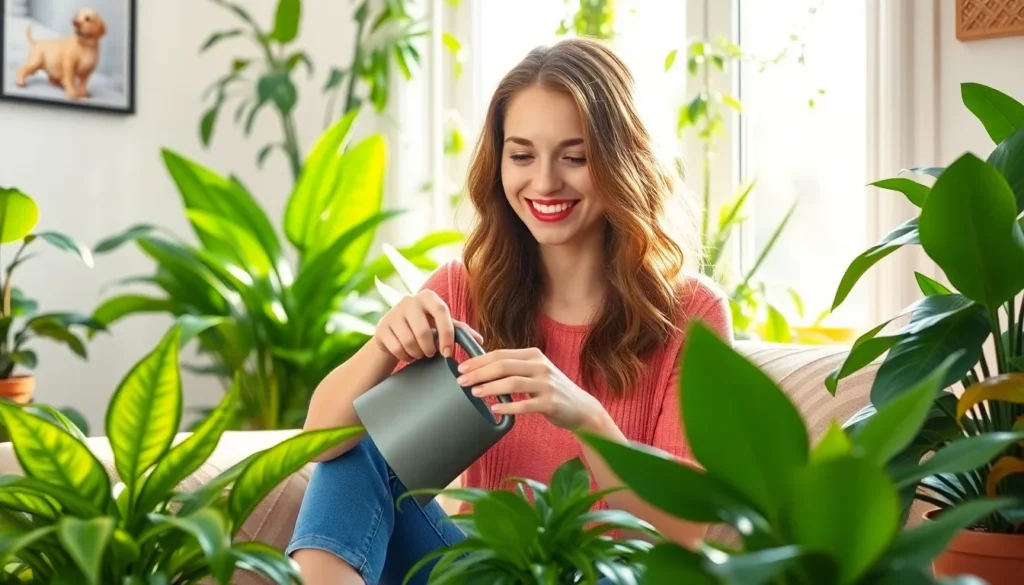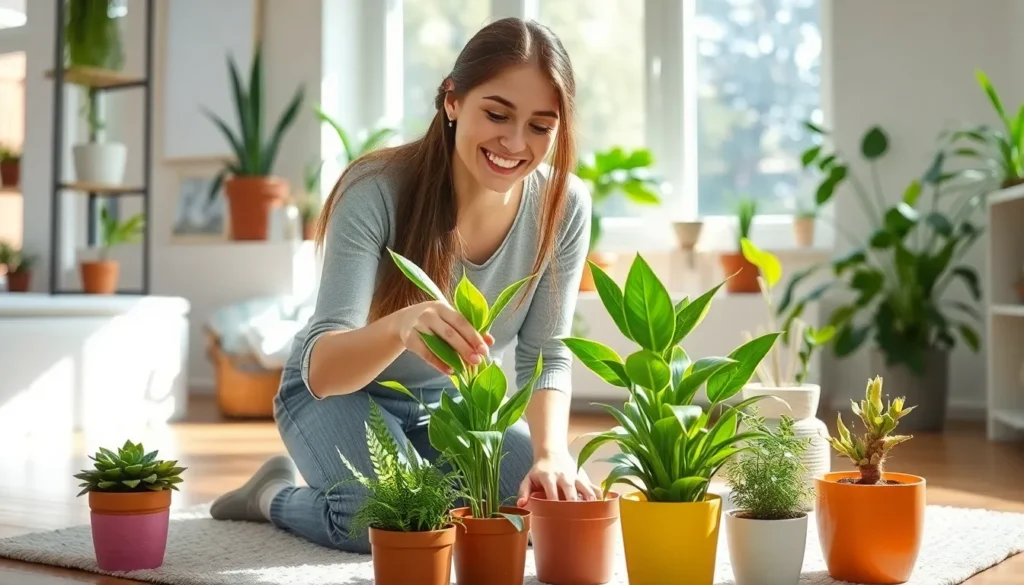

Imagine transforming your living room into a lush paradise without the need for a green thumb or a degree in botany. Indoor gardening isn’t just a trend; it’s a delightful escape from the chaos of everyday life. With a little creativity and the right plants, anyone can cultivate their own slice of nature, right from the comfort of their couch.
Overview Of Indoor Gardening
Indoor gardening transforms spaces into green havens. It involves cultivating plants such as herbs, flowers, and shrubs within home environments. This practice caters to those without extensive gardening expertise. Suitable for small apartments or expansive houses, indoor gardening adapts to various living situations.
The benefits of indoor gardening extend beyond aesthetics. Improved air quality arises from plants filtering toxins while increasing humidity levels. These plants also contribute to emotional well-being, reducing stress and enhancing mood.
Selecting appropriate plants is crucial for success. Low-maintenance varieties such as snake plants, pothos, and peace lilies thrive in different lighting conditions. Placing plants near windows allows for optimal sunlight exposure, though certain plants tolerate low light effectively.
Understanding watering requirements is essential. Overwatering leads to root rot, so it’s recommended to assess soil moisture before watering. Regular maintenance includes pruning, repotting, and checking for pests to ensure plants flourish.
Indoor gardening encourages creativity through design and arrangement. Utilizing shelves, hanging planters, and terrariums adds visual interest. Grouping plants with similar care requirements simplifies maintenance and promotes growth.
Overall, indoor gardening offers a rewarding hobby that enhances home environments. By following essential guidelines and selecting the right plants, anyone can enjoy the benefits of a lush, indoor sanctuary.
Benefits Of Indoor Gardening
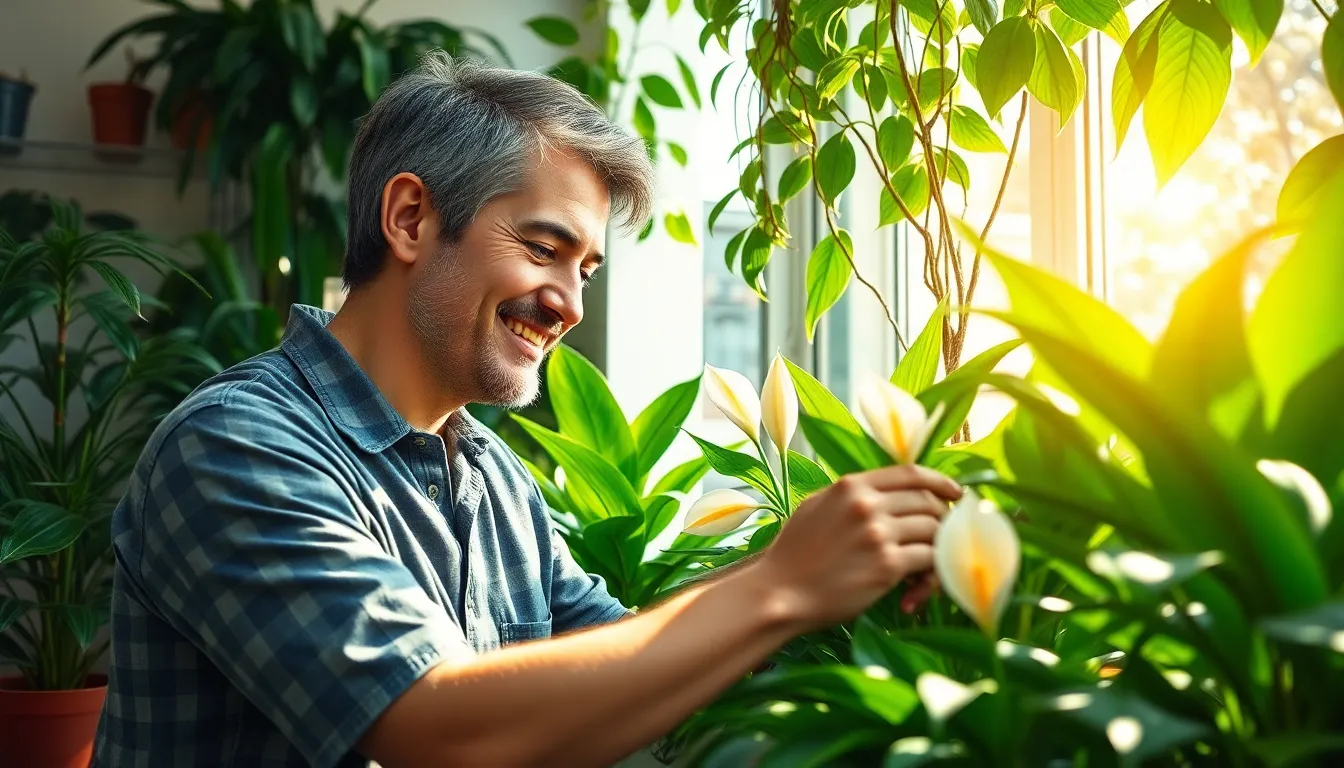
Indoor gardening offers multiple advantages that enhance both health and the environment. Cultivating plants indoors not only beautifies spaces but also contributes positively to overall well-being.
Health Benefits
Improved air quality stands as a primary health benefit of indoor gardening. Plants like spider plants and peace lilies purify the air by absorbing toxins and releasing oxygen. Additionally, gardening reduces stress levels, promoting mental well-being. Studies show that interacting with plants boosts mood and encourages relaxation. Indoor gardening also encourages physical activity; tending to plants involves movement, which contributes to a healthier lifestyle. Furthermore, harvesting herbs for cooking can enhance nutrition, integrating fresh ingredients into daily diets.
Environmental Benefits
Indoor gardening plays a significant role in enhancing environmental conditions. Increased greenery helps filter indoor pollutants, contributing to cleaner air. Engaging in indoor gardening promotes biodiversity; it supports a variety of plant species that attract beneficial insects like bees. Reducing the carbon footprint becomes possible through the cultivation of herbs or vegetables. Furthermore, it encourages mindfulness about resource consumption, fostering sustainable practices. Indoor gardening also mitigates the urban heat island effect, cooling homes and reducing energy use.
Essential Supplies For Indoor Gardening
Indoor gardening requires careful selection of supplies, enhancing the experience for both novice and experienced gardeners.
Choosing The Right Plants
Selecting appropriate plants plays a crucial role in indoor gardening. Opt for low-light options like snake plants and pothos, as these thrive in various environments. Consider herbs such as basil and mint for culinary use, adding flavor and fragrance to spaces. Assess watering requirements before deciding, ensuring the chosen plants match the available light and humidity. Incorporate seasonal flowers to bring bursts of color throughout the year.
Tools And Equipment
Gathering essential tools makes indoor gardening more efficient and enjoyable. A high-quality potting mix offers nutrients for plant growth, while appropriate containers provide drainage and aeration. Use pots with drainage holes to prevent overwatering and root rot. Scissors or pruning shears assist with plant maintenance and shaping. Additionally, a moisture meter helps monitor soil hydration, ensuring plants receive the right amount of water. Include grow lights for spaces lacking natural sunlight, supporting healthy growth year-round.
Common Indoor Gardening Techniques
Indoor gardening techniques vary widely, each offering unique benefits. Two prominent methods include hydroponics and soil-based gardening.
Hydroponics
Hydroponics involves growing plants in nutrient-rich water instead of soil. This method allows for rapid growth and efficient resource use. Cultivators typically utilize systems like deep water culture or nutrient film technique to optimize plant health. Many indoor gardeners appreciate hydroponics because it minimizes pests and diseases associated with soil. Additionally, this technique enables year-round cultivation, regardless of external weather conditions. A significant advantage of hydroponics is the potential for greater yields due to controlled growth environments.
Soil-Based Gardening
Soil-based gardening is a traditional and widely practiced technique for indoor gardening. It utilizes potting mix and containers to support healthy plant growth. Various plant types thrive in soil, with options ranging from flowering species to culinary herbs. Choosing high-quality soil ensures adequate drainage and nutrient retention. Indoor gardeners often need to monitor moisture levels and nutrient needs regularly. This method promotes a natural ecosystem, benefiting both the plants and the overall indoor environment. Engaging in soil-based gardening connects individuals with the earth, fostering a sense of fulfillment and serenity.
Troubleshooting Common Issues
Indoor gardening can sometimes present challenges. Identifying yellowing leaves indicates potential overwatering or poor drainage. Maintaining consistent watering schedules helps prevent this issue.
Pests may invade indoor plants. Regularly inspecting for signs of pests, such as webs or holes in leaves, is crucial. Using insecticidal soap or neem oil can effectively manage infestations, keeping plants healthy.
Root rot represents another common concern. Wilting plants despite adequate watering suggests over-saturation. Ensuring pots have proper drainage and allowing soil to dry out between watering can mitigate this issue.
Insufficient light often affects growth. Stunted or leggy plants signal they may not receive enough natural light. Positioning plants near windows or investing in grow lights can address this deficiency.
Nutrient deficiencies lead to weak growth. Yellowing leaves and poor development suggest a lack of essential nutrients. Utilizing a balanced, water-soluble fertilizer every few weeks supports vibrant, thriving plants.
Low humidity levels impact plant health. Common signs include brown leaf tips or leaf drop. Placing a humidifier nearby or grouping plants can help raise humidity levels, benefiting moisture-loving varieties.
Temperature fluctuations may stress indoor plants. Drafty windows and heaters can create unstable environments. Maintaining a stable temperature between 65°F and 75°F enhances plant vitality.
By recognizing and addressing these common issues, indoor gardeners can promote healthier plant growth, resulting in a flourishing indoor oasis.
Indoor gardening offers a unique opportunity to enrich living spaces while enhancing personal well-being. By selecting the right plants and utilizing effective techniques, anyone can create a vibrant indoor oasis. This rewarding hobby not only beautifies homes but also contributes to better air quality and mental health.
With the right tools and knowledge, even those new to gardening can thrive. Embracing creativity in plant selection and arrangement can lead to stunning displays that reflect individual style. As indoor gardening continues to grow in popularity, it remains a fulfilling way to connect with nature and improve overall quality of life.