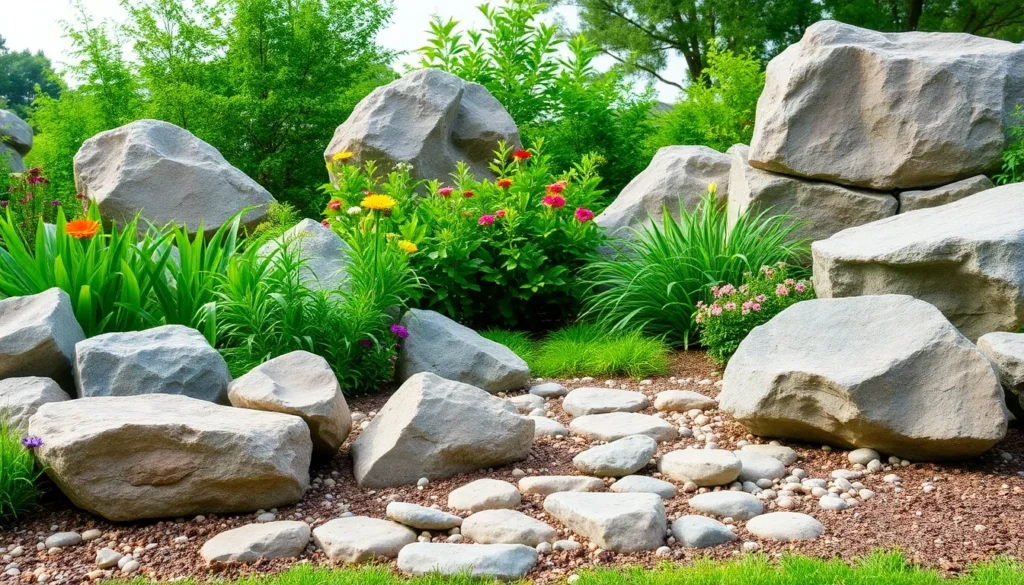
Transforming a homestead into a picturesque paradise isn’t just for the pros. With a little creativity and elbow grease, anyone can cultivate their own slice of heaven right in their backyard. Imagine sipping lemonade on your porch, surrounded by vibrant flowers and lush greenery, while your friends marvel at your newfound gardening prowess. Who knew that dirt could be so glamorous?
What Is Homestead Landscaping?
Homestead landscaping involves designing and maintaining outdoor spaces that support sustainable living and aesthetics. This practice integrates gardens, orchards, and lawns while considering the environment. Sustainable methods play a key role, as they prioritize the use of native plants, organic practices, and efficient water management.
Creating a homestead landscape means focusing on functional elements. Raised beds, for instance, provide efficient gardening solutions while enhancing appearance. Incorporating pathways and outdoor seating transforms spaces into areas for relaxation and socialization.
A diverse plant selection enriches the landscape. Blossoming flowers attract pollinators, which support the ecosystem. Fruit-bearing trees yield fresh produce, while edible plants add both beauty and utility to the layout.
Maintaining a homestead landscape requires planning and effort. Seasonal care involves mulching, weeding, and watering to keep plant life healthy. Regular pruning enhances both shape and productivity in gardens.
Ultimately, this landscaping approach emphasizes harmony with nature. Homestead landscaping fosters self-sufficiency while offering beauty and tranquility in outdoor living spaces. It represents a creative outlet that nourishes both the land and the spirit.
Benefits of Homestead Landscaping
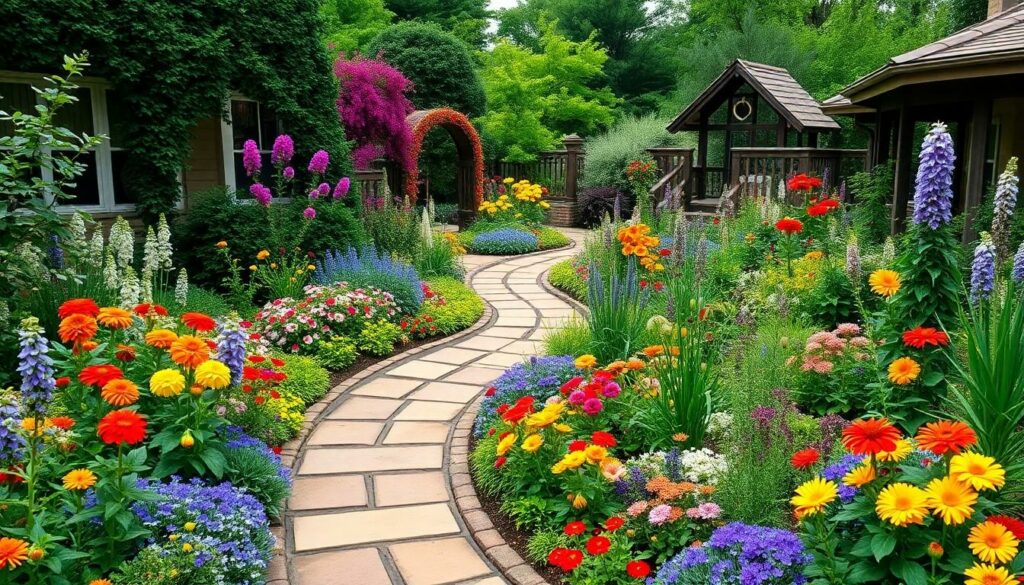
Homestead landscaping offers numerous advantages, enhancing both the environment and the homeowner’s experience.
Enhanced Aesthetics
Attractiveness improves through thoughtful landscaping choices. Vibrant flowers, thriving plants, and neatly arranged pathways create an inviting atmosphere. A well-planned design cultivates a sense of harmony, integrating various outdoor elements. Unique features, such as ornamental plants and artistic garden structures, further elevate visual appeal. Colorful blooms and strategic plant placement catch the eye, drawing attention to outdoor spaces. Cohesive landscaping enhances overall charm and provides pleasure for residents and visitors alike.
Increased Property Value
Property value sees significant improvement with effective homestead landscaping. Well-maintained outdoor areas appeal to potential buyers, making homes more attractive on the market. Statistics indicate that professional landscaping can increase a property’s value by up to 15%. Curb appeal plays a crucial role in first impressions, resulting in faster sales. Attractive gardens and yards signal investment in both beauty and sustainability. Homeowners reap financial rewards when prioritizing landscaping improvements, making it an essential aspect of property management.
Environmental Benefits
Homestead landscaping promotes environmental health. Native plants support local ecosystems by providing habitats for wildlife. Pollution reduction occurs through planting trees and shrubs, which filter air and absorb carbon dioxide. Water management techniques, such as rain gardens, minimize runoff and conserve resources. Biodiversity flourishes in diverse landscapes, encouraging beneficial insects and pollinators. Organic practices reduce chemical usage, fostering healthier soil and ecosystems. Sustainable outdoor spaces contribute positively to the broader environment and create a balance with nature.
Essential Elements of Homestead Landscaping
Homestead landscaping combines aesthetics with functionality. Key elements enhance outdoor spaces while promoting sustainability, making them integral to successful landscaping.
Native Plants Selection
Choosing native plants enriches the landscape while supporting local ecosystems. These plants adapt well to the local climate, minimizing the need for extra water and maintenance. Examples include coneflowers and black-eyed Susans, which attract pollinators and add vibrant color. Select plants based on soil type, sun exposure, and local wildlife to create a thriving natural environment. Such selections encourage biodiversity and provide habitat for beneficial insects and birds.
Sustainable Practices
Implementing sustainable practices is crucial for long-term success in homestead landscaping. Organic gardening techniques reduce chemical usage and improve soil health. Methods like composting, crop rotation, and rainwater harvesting increase efficiency and enhance biodiversity. Additionally, mulching conserves moisture, suppresses weeds, and adds nutrients as it breaks down. Observing these practices fosters an environmentally-friendly landscape while ensuring a more resilient ecosystem.
Functional Spaces
Creating functional spaces optimizes the usability of outdoor areas. Raised garden beds enable easy access for planting and harvesting, while pathways facilitate navigation through the property. Incorporating seating areas and outdoor kitchens transforms gardens into gathering spots. Moreover, combining visual elements such as trellises and arbors adds depth and interest. Designing these functional spaces enhances the overall experience of the homestead, promoting enjoyment and productivity year-round.
Designing Your Homestead Landscape
Designing a homestead landscape involves a thoughtful approach to create a beautiful and functional outdoor space. Integration of aesthetics and sustainability makes this an exciting venture.
Creating a Plan
Establishing a detailed plan serves as the foundation for a successful homestead landscape. Analyzing the property’s features helps identify areas for gardens, pathways, and seating. It’s essential to consider sunlight exposure, soil types, and drainage patterns. Developing a vision board with desired plants and layouts often aids in organizing ideas. Creating zones for different activities increases functionality, such as vegetable gardens, relaxing patios, or play areas for children. Balancing beauty and utility ensures the landscape meets practical needs while inviting enjoyment.
Incorporating Hardscapes
Adding hardscapes enhances the structure and functionality of a homestead landscape. Pathways made from gravel, stone, or pavers create clear navigation routes throughout the space. Incorporating raised garden beds offers practical gardening solutions and elevates aesthetics. Fences or trellises can provide privacy while supporting climbing plants. Patios serve as outdoor living areas, perfect for entertaining or enjoying quiet moments. Effective incorporation of hardscapes fosters a cohesive and inviting atmosphere while connecting the various elements of the landscape.
Maintenance Tips for Homestead Landscaping
Maintaining a beautiful homestead landscape requires ongoing attention and care. Regularly assess plant health to catch any diseases or pests early. Water plants deeply and infrequently, which encourages strong root growth. Mulching helps retain moisture in the soil while suppressing weeds, simplifying upkeep.
Pruning transforms overgrown plants into manageable, attractive features. Schedule pruning during dormant seasons for best results. Fertilizing with organic materials, such as compost or well-rotted manure, enriches soil health and promotes vigorous growth. Keep an eye on nutrient levels, adjusting as necessary to meet plant needs.
Weed control plays a crucial role in maintaining a vibrant landscape. Hand-pulling weeds or using organic herbicides helps keep unwanted plants in check. Seasonal clean-up also ensures a tidy appearance, so remove debris like fallen leaves or dead branches.
Consider seasonal planting for continuous color and interest throughout the year. Choosing plants that bloom during different seasons creates a dynamic landscape. These plants add variety and support local wildlife.
Reevaluating garden design periodically optimizes both aesthetics and functionality. Making adjustments allows for improved sun exposure or airflow. Additionally, retaining water management practices minimizes flooding and maximizes resource efficiency.
Engaging in community gardening events can provide valuable insights for maintenance ideas. Learning from fellow gardeners fosters a sense of camaraderie and shared knowledge. Incorporating these tips creates a healthy ecosystem that supports both the landscape and the surrounding environment.
Homestead landscaping offers a unique opportunity to blend beauty with sustainability. By embracing creativity and hard work, anyone can cultivate a vibrant outdoor space that reflects their personal style.
The integration of native plants and sustainable practices not only enhances aesthetics but also supports local ecosystems. With careful planning and ongoing maintenance, these landscapes can thrive and provide enjoyment for years to come.
Ultimately, homestead landscaping serves as a fulfilling journey that nourishes both the land and the spirit, creating a tranquil retreat right at home.